
🌟 Embracing Emotions in Montessori Education 🌟
😊 Emotions are powerful tools that shape how we experience and respond to the world. In the Montessori classroom, emotions are seen as essential tools for personal and social growth, helping children develop self-regulation 🧘♂️, empathy 💞, and a sense of community 🤝. The chapter Grace and Courtesy: Building a Self-Regulating Community from the Theory Album emphasizes that emotional intelligence is nurtured through lessons in grace and courtesy 🌿, role-playing 🎭, guided discussions 💬, and peace education 🕊️. By integrating emotional awareness into daily life, we foster resilience 🌱, self-expression 🎨, and conflict resolution ✨, ensuring that children are growing into compassionate, peaceful individuals who contribute positively to their world 🌍.
THEORY
9/21/20242 min read
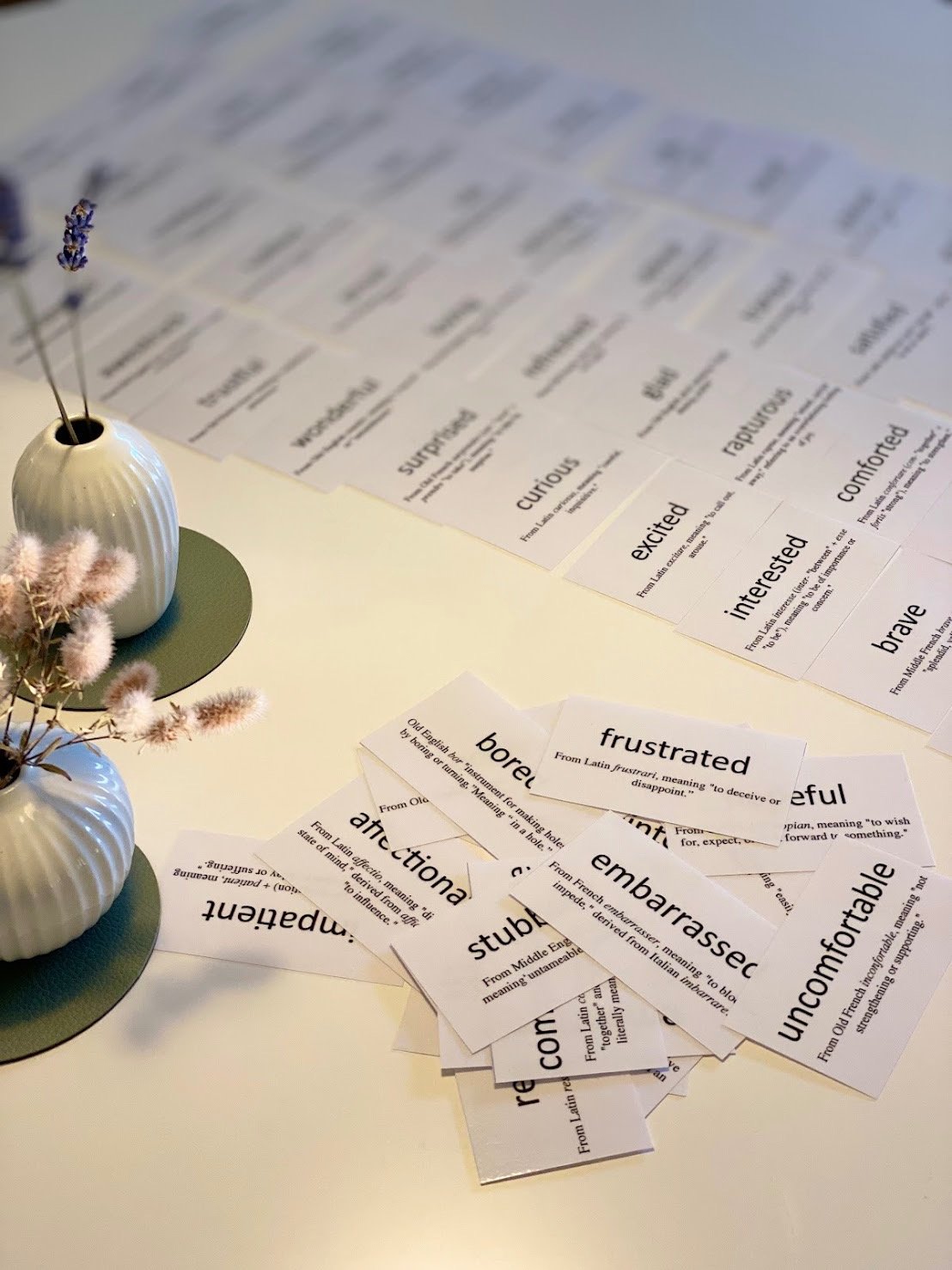
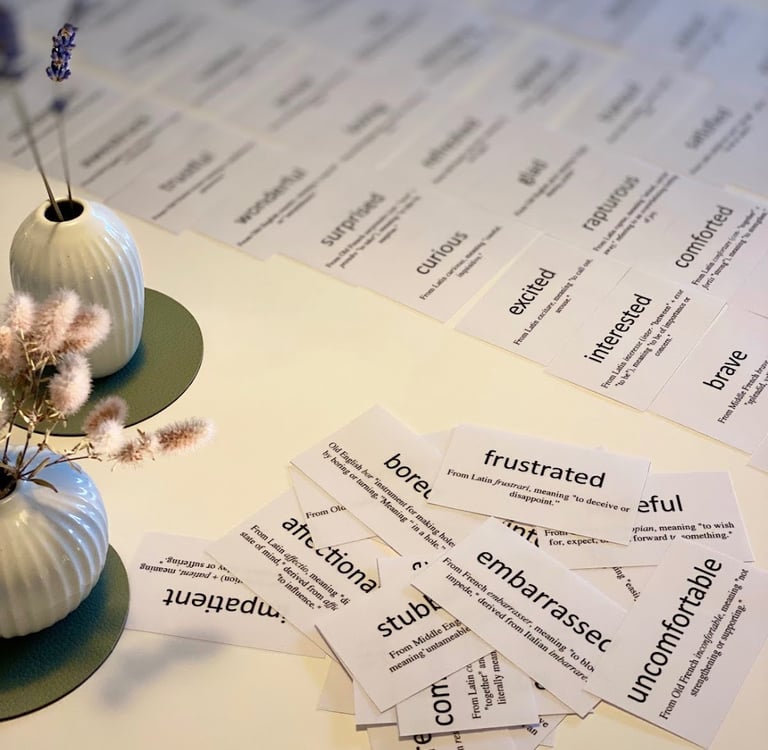
Emotions are powerful tools that shape how we experience and respond to the world. In the Montessori classroom, we see emotions as opportunities to help children develop resilience and nurture their ability to contribute to a peaceful community. 🕊️💖
🔍 How do we use emotional discussions?
We start with open-ended questions, we guide children to explore their feelings. Share memorable stories and even draw how feelings may look like. Children are invited to reflect deeply on both simple and complex emotions.
These questions help children build self-awareness, understand the function of each emotion, and develop empathy toward others. They learn to see emotions as signals—not something to be feared or suppressed. This regular reflection builds emotional resilience—the ability to face challenges calmly and grow from them. 🌱✨
✨ How does this connect with peace education?
Peace begins with understanding. By helping children understand their emotions, we lay the foundation for peace within themselves and their communities. In Montessori, peace education goes beyond the absence of conflict—it’s about cultivating empathy, self-regulation, and a strong sense of belonging in the world. 🌍🕊️ As Maria Montessori said, “We must help him develop that which will make him capable of understanding. This will be a preparation for peace, for peace cannot exist without justice and without men endowed with a strong personality and a strong conscience.” 💬
🌱 Why is emotional work part of daily life?
Emotional awareness is not a one-time activity; it’s woven into the daily fabric of our lives.
The consistent practice nurtures resilience, self-confidence, and a friendly attitude toward error. 💡 Children learn to embrace their emotions as tools for personal growth and peacebuilding. 🌈
By fostering these skills, we help children become not just resilient individuals but also compassionate, peaceful members of the global community. 🌍💖
Want to learn more about how we guide emotional development and resilience?
📥 FREE Instant Download – Get your materials immediately after purchase and start fostering emotional awareness today! 💌🕊️
🕊️Some benefits for Individualized Focus with Emotions 1:1 work :
🤍 In a one-on-one setting, children often feel safer expressing complex emotions without fear of judgment from peers. This encourages them to open up more freely about feelings like fear, jealousy, or disappointment, which might be harder to express in a group.
🤍 One-on-one work allows for deeper exploration of emotions like frustration, pride, or guilt, as you can spend more time dissecting each experience. You can discuss situations specific to the child’s life, making it more relatable and meaningful.
🤍You have the opportunity to model appropriate emotional regulation in real-time, showing the child how to navigate difficult feelings. This direct modeling is more potent in one-on-one settings, as the child can observe and mirror your emotional responses closely.
🤍Language of Emotions: One-on-one work allows for richer conversations about emotions, enabling the child to expand their emotional vocabulary. You can take the time to explain different emotional terms, their meanings, and contexts, which might not be possible in a group setting where attention is divided. This helps the child articulate their feelings more effectively.
🤍Emotional Validation: In a one-on-one environment, children receive direct validation of their feelings, helping them feel secure in their emotional experiences. This boosts self-esteem and encourages them to trust their emotional instincts.
🤍Support for Cosmic Education: As part of their broader journey of Cosmic Education, children who work one-on-one on emotions develop a stronger understanding of their place in the world. By learning to manage and regulate their emotions, they are better equipped to engage meaningfully with others and contribute positively to their communities.
With Montessori Joy,
Vanina