
💰 From Bench to Bank 🏦
🏦 A follow-up story that connects to Chapter Human Geography in the Geography Album and branches towards the Chapter Word Problems in the Math Album🌍✨ It invites children to explore how the human desire to exchange goods slowly led to the invention of money, and later the invention of banks. 💰 Building on the Story of Bartering, this tale reveals how trade across regions and cultures inspired new systems of trust, currency, and record-keeping. 📜🧭 As humans settled, explored, and expanded their networks, new needs arose: a safe place to keep treasure, a way to borrow, a bench that became a bank. 🪑 Children are invited to wonder: 🏦💎 What else do people keep in banks besides money? 🧬🌱 Can a bank store seeds, music, or even DNA? What other “treasures” need protection?
GEOGRAPHY STORIES
1/23/20265 min read
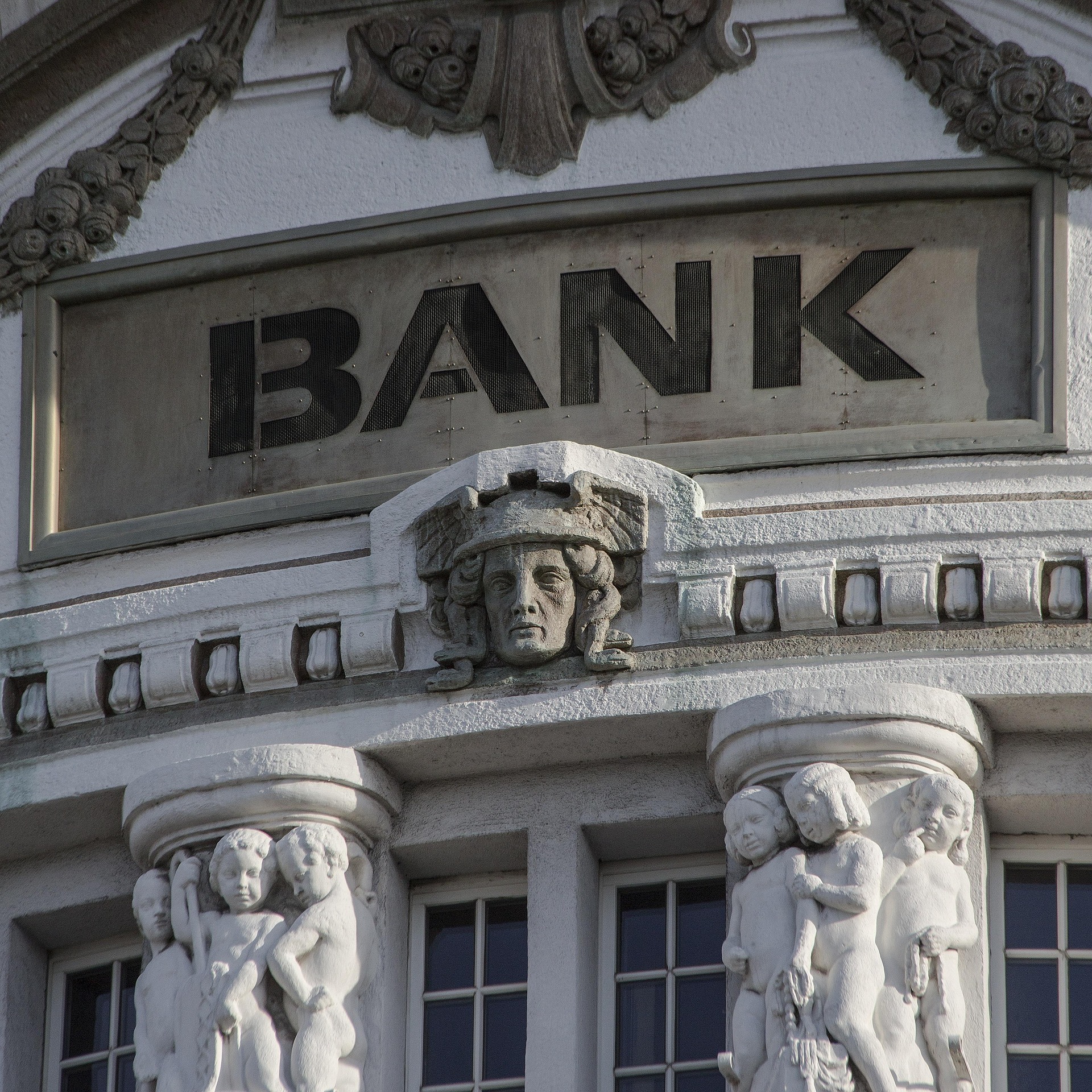
People love to trade. Always have. Whether it was swapping figs for fish 🐟🍇, wool for honey 🐑🍯, or shiny stones for a jar of olives 🫒✨, humans have always found clever ways to exchange what they had for what they needed. You might even remember the Story of Ali Said that desperately needed a boat.🚤✨
That story showed us how trading could sometimes get tricky. What if the fisherman didn’t want figs? What if your olives spoiled before you could find someone who wanted them? So people started using something everyone agreed had value, things like shells, salt, cocoa beans, and eventually, coins made of silver and gold. 💰✨ These were easier to carry, easier to count, and lasted much longer than fruit or fur. Some of these early coins even had holes in the middle! 🕳️ So people could string them together on cords, like a necklace of money — easy to carry, and harder to lose. 📿💸
But as trade grew between faraway places, silk from China 🧵🐉, spices from India 🌶️🌿, gold from Africa 🪙🦁, wool from England 🐑🧶, and porcelain from Persia 🏺✨. People were coming from different lands, each using their own kinds of money: big coins, tiny coins, square coins, round coins, some even made of shells or beads! 💱🌏
So another challenge grew. Merchants couldn’t always agree on what something was worth. A bundle of cinnamon might cost ten coins in one place… but fifty in another. And some coins weren’t even real — they were clever fakes made to trick others. 😯⚖️💸
That’s when a clever idea appeared in the European country Italy, around 700 years ago. In the busy town squares, merchants began setting up long wooden benches called bancos🪑. But they didn’t sell fruit or cloth — instead, they helped people exchange money from one place to another. 💱💬If a traveler arrived with coins from Egypt and wanted to buy silk from China, the banco merchant would explain how much one coin was worth compared to another. 💬
People trusted these banco merchants. They were careful. They wrote everything down 📜. And sometimes, if someone needed coins for a journey or a business, they could lend some money, and return a little more later. That “little more” was called interest. It was like saying: “Thank you for helping me when I needed it — here’s a bit extra to show my thanks!” 🪙🙏✨ The word interest comes from a Latin word inter esse, which means “to be between” — because something is happening between two people.🤝💬
This was a briliant idea! It meant that money didn’t have to just sit still 🪙😴 they could move, help someone grow an orchard 🍎, build a ship ⛵, or open a shop 🏺. And when that person returned the coins, they added a bit more… like planting one seed 🌱 and growing a plant that gave you more seeds.
But sometimes… people didn’t return the money. 💥 And that’s where another word was born — bankrupt. It comes from the Italian phrase banca rotta, which means “broken bench.” In old marketplaces, if a banco merchant failed, their bench was smashed in front of everyone, a clear sign their business was done. 🪑💔
As more and more people came to these benches to exchange coins, borrow money, or keep it safe.💼 Another problem grew! But a wooden bench in a marketplace was not safe. Coins needed safer places to be stored. Important papers, about trade, land, and promises — had to be protected from wind, rain, and fire.
Soon, wealthy merchant families began building strong stone houses to keep gold and records safe. 🏛️💰📜 These were the very first banks, not just benches anymore, but real buildings.💰📜 One of the most famous banking families was the Medici, in the city of Florence. 🧑🎨💼 They didn’t just protect treasure, they used money to help the world grow. They supported builders 🏗️, artists 🎨, scientists 🔬, and explorers 🌊. The Medici Bank became one of the most trusted in the world.
Over time, banks became more than a place to exchange or save money. They became places where you could borrow money to make your dream come true. Maybe a baker wants to open a shop 🧁, or a family wants to build a home 🏡, or a town needs a library 📚🛠️🌾🏫
People have always loved trading and exchanging, from fruits and spices to cloth and gold. 🍇🧂👗✨ Long before the word bank existed, people trusted temples as safe places. Farmers stored grain there 🌾, others left silver, or borrowed seeds to plant again. These temples became early record-keepers and acted as the first “banks.” But the true story of modern banks began with a bench in Italy. 🪑🇮🇹 That simple wooden seat grew into something more — a place of trust.
💼 Today, the biggest banks in the world hold trillions of coins and notes, more money than anyone could ever count! 😮 And yet… most people don’t even walk into a bank building anymore.Instead, they use a tiny app on their phone 💻📱 and, with just one tap, they can check their savings, send money, or pay for something far away.Technology has changed the way banks look and work, but their purpose stays the same: to help people keep their treasures safe… and sometimes, to help those treasures grow. 💡🌱 Maybe one day, when you have a dream — to open a bakery, build a skyscraperor write a book, the bank might help you, too. 🌈💭
I wonder... 🌟 Where is the biggest vault in the world? 🔐 What else do people keep in banks besides money? 🖼️💍📜 Which bank offers the smallest interest fee?📉 Do banks actually create more money when they lend it out?💡
There are some truly extraordinary banks around the world maybe you would like to research further.
Possible Follow Up Bank Explorations 🏦
🏦 A Bank That Lives Inside a Mountain! Deep under a mountain in Switzerland, there’s a secret vault hidden behind doors as thick as a castle wall! 🏰 It’s so secure that people say even a dragon couldn’t break in 🐉💰. What is guarded inside?
🌾 A Bank of Seeds, Not Money! Far up in icy Norway, a very special bank holds the world’s seeds — not coins. 🌱❄️ The Global Seed Vault stores backup seeds for plants in case something ever happens to our food crops. It’s like a frozen garden of the future! 🧊🌍 How many seeds are stored there?How does cold help keep seeds safe for a long time?
💸 A Chest of Coins That Became a Bank! One of the most famous banks in the world — Barclays, in England — began over 300 years ago when a goldsmith started holding other people’s money in a chest behind his shop. 🔐 How did a simple chest turn into a whole bank?
👑 A Royal Robbery That Changed Banking! In 1831 (change this into how many years ago) , robbers in England dug a tunnel beneath a street and into a vault — stealing gold worth millions! 😲 That event made banks everywhere realize they needed stronger locks, alarms, and walls. 🔐 What kinds of security do banks use today?
📊 Graphing Exploration:
Research the world’s largest banks by total assets or number of customers. Choose 5–10 banks from different countries and create a bar graph to compare them by using square paper.
➗ Word Problems with Interest Rates:
We even have a material specially designed for solving simple interest problems — but that’s a story for another day… 📦✨
With Montessori joy,
Vanina 😊