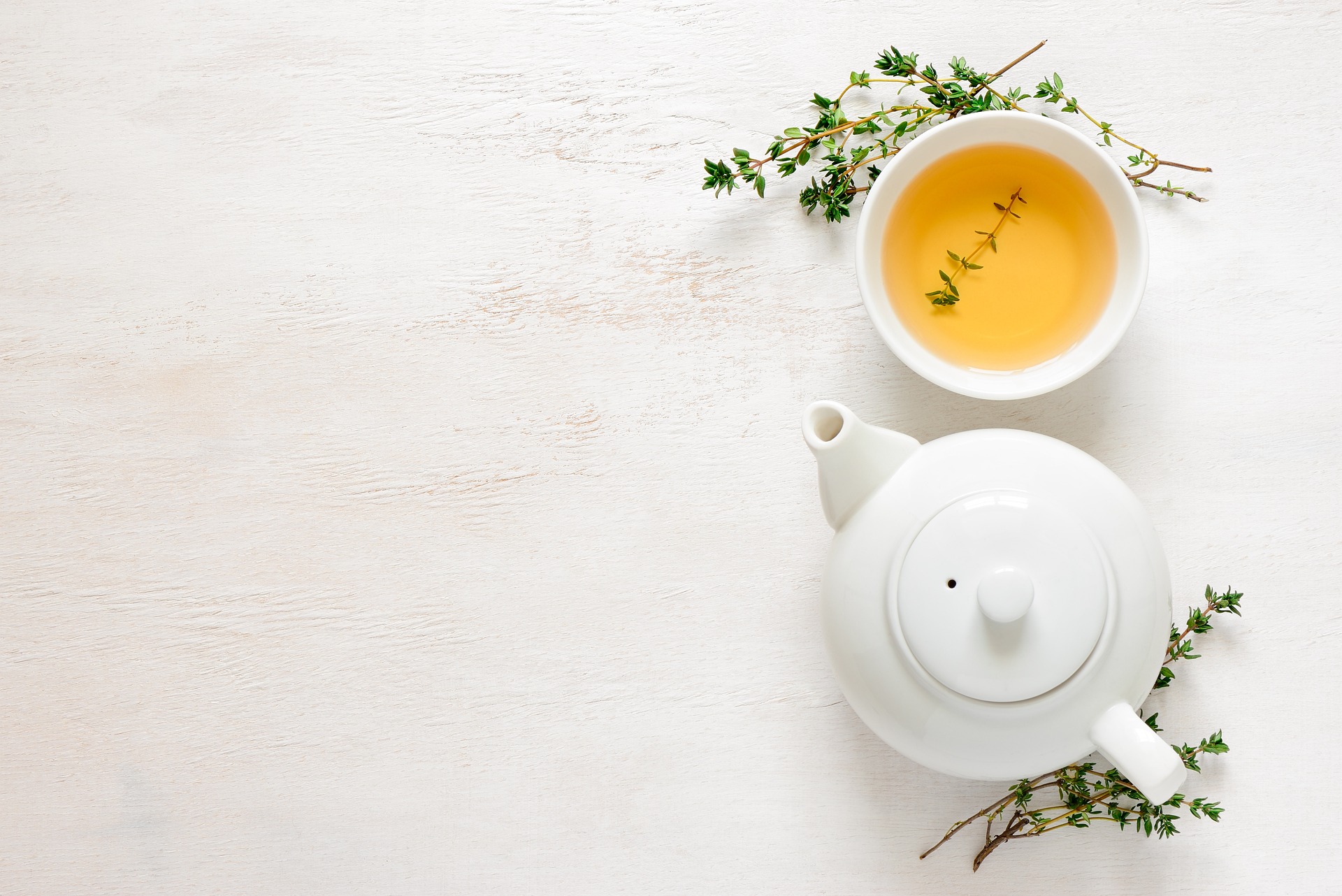
🍃 From Leaf to Teacup 🧉 A Sip Through History 🫖
🫖 A follow-up story branching from the Fundamental Needs chapter in the History Album and linking to Economic Geography in the Geography Album. 🌱🗺️ The tea story invites children on a steaming journey across landscapes, cultures, and centuries. It opens the door to cultural geography, following tea as it travels across the globe — even stirring up a bold, history-making moment: the Boston Tea Party. 🌍✨Children are invited to wonder: “What else can we steep in water?” — and to explore the plants people use to make teas in different parts of the world. This story not only highlights global interdependence and cultural exchange, but also encourages personal exploration through bookmaking, mapmaking, art, and community tea-making. 🍵🗺️📚
HISTORY STORIES
10/22/20255 min read
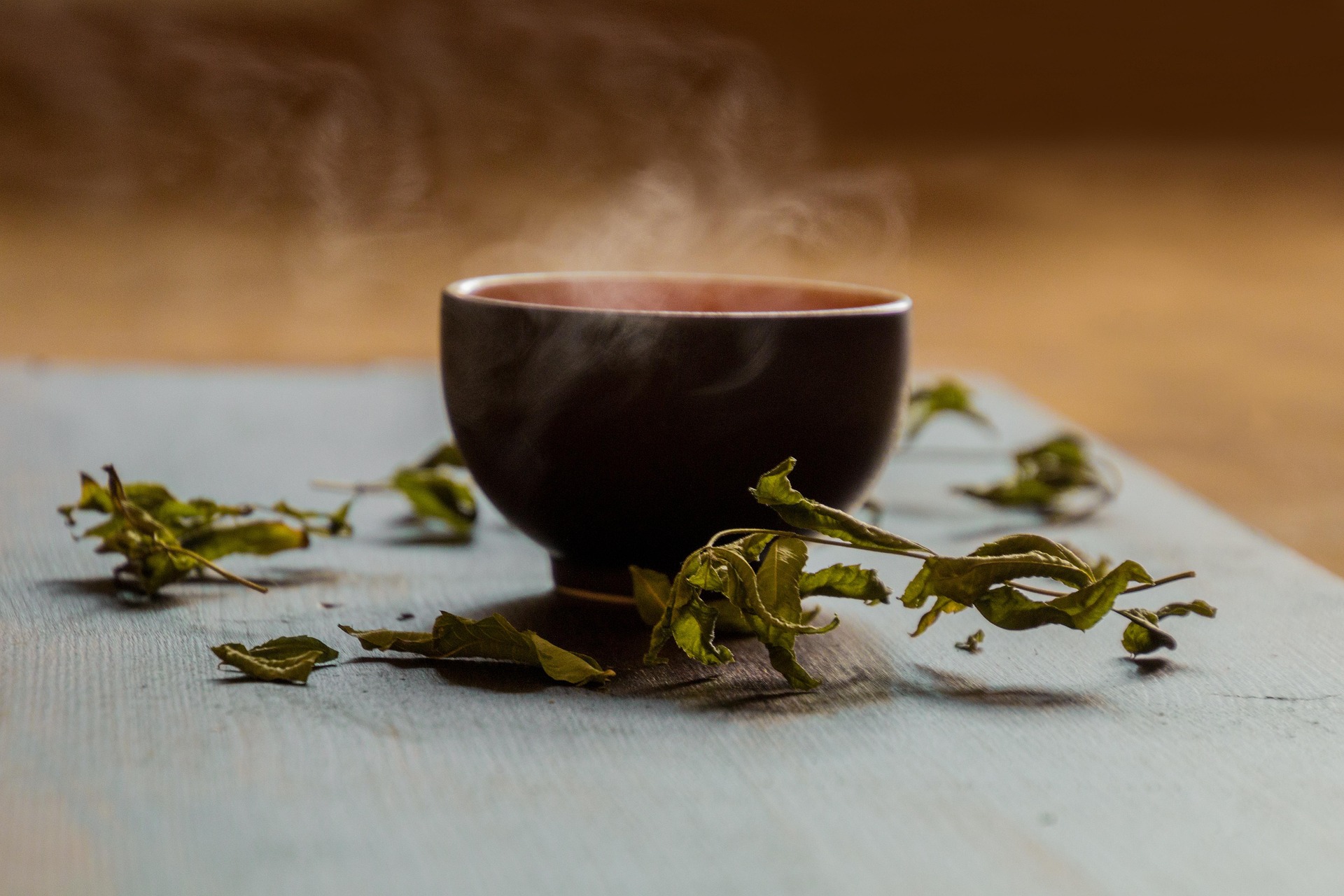
🍃 Do you drink tea? 🫖 Wherever you travel around the globe, you will find people drinking tea prepared in unique ways. For example in England, afternoon tea is a daily tradition — people often enjoy it with tiny cakes, jams, polite clinks of porcelain cups, and quiet conversations. 🫖☁️ While in in Morocco, tea is poured in graceful arcs from high above the glass , sweet and steaming with fresh mint and served with nuts.🌿Perhaps one needs to be very experienced to pour from such a height!
In Japan, a tea ceremony can take hours, each movement slow and respectful, like a meditation. And in South America, people drink mate tea from a cup made from a hollowed gourd, and sip it through a special metal straw. 🧉🌍 People have experimented with tea for centuries — adding milk, spices, sugar, lemon, herbs… even little chewy balls made from a plant root! That’s the secret in bubble tea. 🧋✨ In Tibet, people mix tea with butter and salt, churning it in tall wooden churns. 🧈🧂
But the story of tea begins with a legend over 4,000 years ago… and it comes from far away China. 🌞❄️🕰️One day, the emperor was boiling water beneath a tree, when a single leaf drifted down, spun into his pot, and changed the color of the water. Curious, as all humans are, he tasted it — and loved it. And so, the very first cup of tea was born. 🍃💧
🌱 People began steaming the leaves of this plant and soon discovered something amazing. 🤯 When they picked the soft young leaves and buds and dried them gently, the tea turned out very light and delicate — people called it white tea, because the buds were covered with fine, silvery-white downy hairs. 🤍 When they steamed the leaves while still green and rolled them up, the water turned green and the tea stayed bright and fresh — and that became green tea. 💚And when they let the leaves turn dark and crinkly, waiting longer before drying them — the flavor became strong and the water deep and dark. That became black tea. 🖤
Through experiments and observation, people discovered the three secrets of the plant Camellia sinensis — “sinensis”means “from China.” 🌱🔍
At first, the knowledge for this plant was treasured and protected in China, but over time began to travel with traders on the Silk Road. Carefully transported in small pouches and delicate jars 🐫🌍 tea crossed deserts and mountains, reaching India, Persia, Arabia, Africa, and Europe, and soon boarded wooden ships that crossed oceans.
🌿 But long before this tea came in crates and cups from China , people around the world looked around their lands and every culture found different plants. Some teas helped the body heal, made people feel cozy and calm. ✨ They wondered “What we can we steep in hot water?” 🔍🫖 For example Indigenous peoples across North America like the Anishinaabe made tea from cedar leaves to warm the body and the heart. Others steeped a combination between wild mint, spicebush, and yarrow. Every tea had its own reason, and its own season. During the winter season people often steamed rose hips, and during the summer months they steamed different flowers. Every recipe was shared from elder to child, from neighbor to neighbor — a gift passed on with care.
🫖When settlers from Europe arrived in North America a little over 300 years ago, they brought with them their own tea traditions. Leaves packed from across the sea, to be served in delicate porcelain cups, often served with milk or lemon. And so, they started importing their favourite black tea from China and India, setting up cozy teatimes in their homes.
But then something surprising happened — the King of England decided people must pay extra money for their tea. Many thought this was unfair. One night, in the city of Boston, a group of settlers quietly climbed aboard a ship full of tea… and tossed all the tea into the sea! 🌊🍵 This surprising act became known as the Boston Tea Party , this act spark a big change in American history, but that's another story for another day! 🇺🇸✨
The Boston Tea Party made a big splash — but it didn’t end the love for tea. Even today, people around the world gather plants from their gardens, forests, and fields to make their own special blends — remembering that every warm cup is a gift from the land. 🌱☕💧
💭 I wonder… what grows near us that people steep into tea? Wha tea your great grandmother was preparing ? What would your own tea blend be made of? 🌿🍋🌼
🍵 Possible Follow-Up Explorations
Research how tea is prepared and served in different countries. Prepare tea for your community and invite others for a special tea break.
Morocco 🇲🇦: Why is tea poured from high above the glass? What herbs do they use, and what does it mean to serve tea three times?
Japan 🇯🇵: What is the meaning behind the tea ceremony movements? How is it connected to mindfulness and beauty?
Argentina, Paraguay, Uruguay 🇦🇷🇵🇾🇺🇾: How is mate shared, and what does the gourd and straw symbolize in social life?
Tibet 🇨🇳: Why butter and salt in tea? How does it help people in cold, high-altitude regions?
Kenya 🇰🇪: What is “chai” and how did tea become such an important crop and drink? (Hint: Kenya is one of the largest tea producers in the world!)
South Africa 🇿🇦: What is rooibos? Why do people call it “red tea”? What makes it different from Camellia sinensis?
Australia & New Zealand 🇦🇺🇳🇿: What native plants have been used for tea? (e.g., lemon myrtle, wattle, or mānuka) — What do Indigenous communities teach about their healing properties?
🗺️ Geography Extension: Tea Map
Use a world map and draw little teacups or tea leaves on the countries that grow or drink the most tea. Mark the Top 5 Producers. Mark the Top 5 Drinkers.
🗽 Research the Boston Tea Party!
Why did people throw all that tea into the harbor? What did it have to do with taxes and fairness? What happened next? You can draw the story as a fun comic titled "Wellcome to the Biggest Tea Party in the World!"
✍️Language Extension: Creative Bookmaking
Make your own “How to make the perfect cup of tea” booklet 📘
🎨 Draw each step as a picture on a new page, add one sentence describing the step, like a litte instruction. From boiling the water to steaming your favourite blend, all the way to serving it.
Here’s a simple guide to inspire you:
I’ll draw on my first page! “To make the perfect cup of tea, you will need: perhaps some teacups, a kettle or pot, heat gloves, your chosen tea… That’s what I’ll draw on my first page!
Then my next step will be : First you will need to boil the water – Heat the water until it starts bubbling! 🔥💧
And so my third step will be : Choose your tea – It can be in a packet, a tin, or even a mix you made yourself. 🌿
Steep the tea – Put the tea into a teapot or cup and pour the hot water over it. Wait patiently… set a timer if needs. 🫖⌛
Smell the steam – Mmm… what does it remind you of? 🍃👃
Add your extras – Maybe you like honey, lemon, milk, sugar, cookies or nothing at all. 🍯🍋🥛
Serve and sip – Pour it carefully into a cup. Maybe invite someone to join you! ☕👫
Don't forget to tidy up. – Wash your cup, wipe your table, and put everything back in its place. A tidy tea corner makes tea time twice as nice!
Oh, Your book will need a big, beautiful title and a cover, and of course, the author’s name, which is… YOU! ✍️✨
With Montessori joy,
Vanina 😊