📜✍️ From Pen to Seal 💌 The Art of Victorian Letters
📜✍️✨ A follow-up story that branches from the Chapter Appreciation of the written word, looking at literature and style and connects to the chapter from Metal Insets to Calligraphy. 🖋️💌 It invites children to step into the Victorian era, a time when letters were the heart of connection—each one a work of art carrying news, emotions, and imagination across miles. 🌍✨ This invisible thread ties literature, history, and self-expression together, sparking wonder💭📬 And invite children to choose a letter style, craft their own Victorian-inspired letter, fold it into an envelope and seal it with a wax. 💌🕯️
LANGUAGE STORIES
12/9/20242 min read
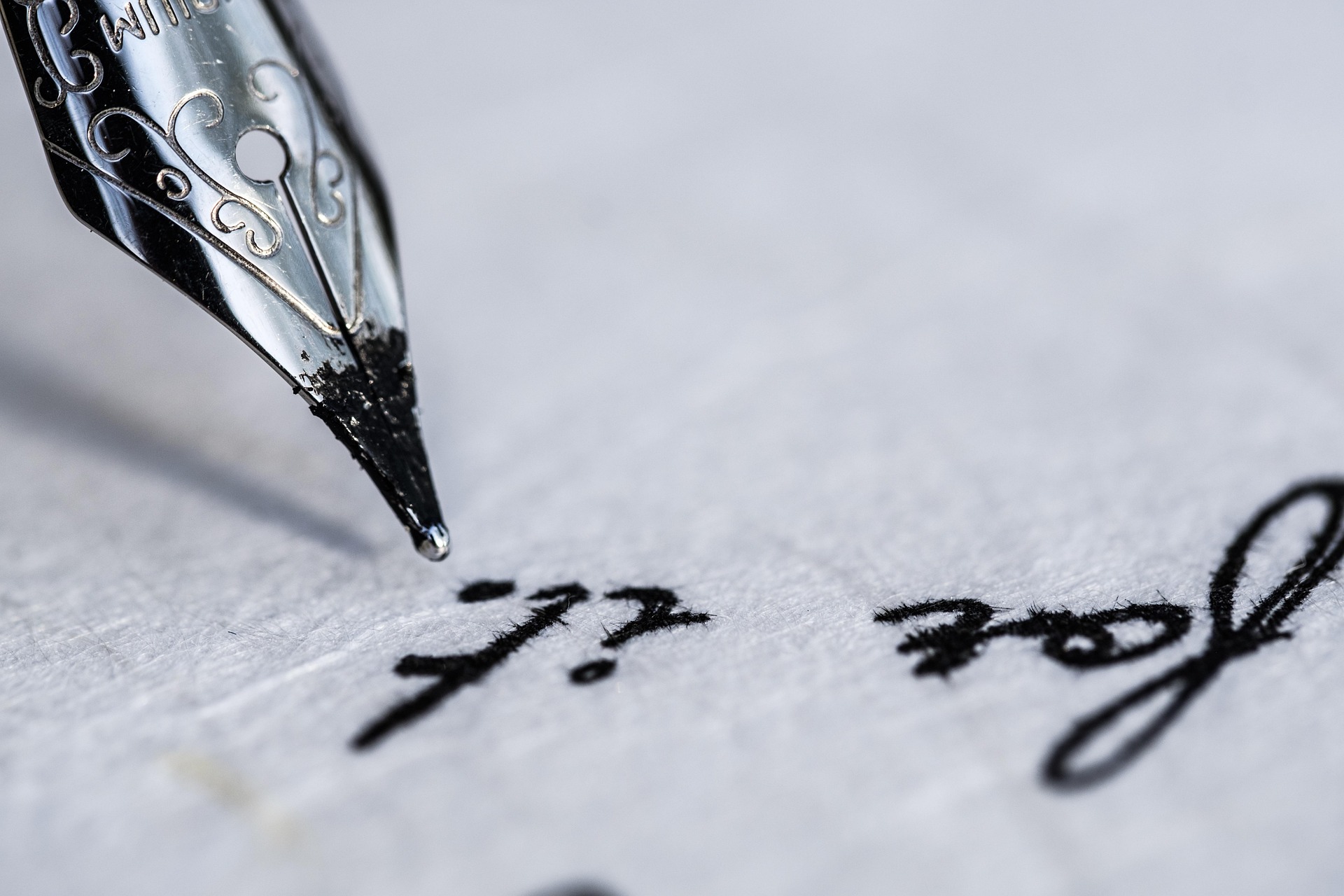
Think about all the ways we communicate today. 📱 You can send a text to a friend in seconds, video chat across the world 🌍, or email with pictures and emojis 😊. But a little over 150 years ago, in the Victorian era— the same as the Industrial Era—none of these tools existed. People had something much more precious: letters. 📝
Even as machines transformed cities and steamships carried travelers far and wide,🚢 the fastest way to send a message was still by writing. And these weren’t quick scribbles. Letters were like little works of art. Every word, every line, every fold was made with care. Imagine if the only way to share your thoughts with your friends was by writing it down—how would you choose your words? Perhaps you will even spend time to decorate your letter too.
Victorians even had a special desk for writing letters. This wasn’t just any desk—it was like a treasure chest for writers. Small enough to fit in a ship’s cabin, with a slanted surface for your paper, and hidden drawers for pens, paper, and bottles of ink. ✨ Just opening this desk made writing feel important.
And when the letter was finished, it wasn’t slipped into a ready-made envelope like we do today. Back then, envelopes were expensive, so people folded their letters into their own "envelopes" 📜. They carefully tucked in the edges to hide the writing, then sealed the fold with wax for security and privacy.🕯️ The wax would drip onto the fold in a little circle, and while it was still warm, a metal stamp pressed a pattern into it. The wax seal kept the letter closed and safe—like a secret lock. 🔒✨ The color of the wax mattered too! Red, gold, or blue could mean different things. That’s something you can research before you make your own seal. 🌈
Today, we will craft our own letters. And discover how to fold your paper into its own envelope, just as the Victorians did, and if you wish, seal it with wax like a secret lock, protecting your words. 🕯️✨ At our calligraphy shelf you’ll find everything you need: beautiful paper, a dip pen, a fountain pen, and a wax seal.
Even though we have phones and computers today, writing postcards and letters has never truly disappeared—many people still treasure this old tradition. ✉️💌 Letters are like little gifts, carrying thought, care, and style across the distance between friends.
Now lets explore! Here are some kinds of letters you can try:
a Personal Letter to a friend 💌
a Business Letter to a shop or company 📜
a Request for Information ❓
an Invitation 🎉
a Thank You Letter 🙏
a Congratulations Letter 🎊
a Condolences Letter 🌹
a Customer Complaint Letter to politely solve a problem 🛍️
✨ I wonder… what kind of letter will you choose to write? And if you decide to add a wax seal, what color will you use—and what secret meaning might it carry? 🌈🔴🟡🔵
✨ Follow-Up Explorations ✨
You can make a little legend of wax colors, just like the Victorians might have done. 🕯️💌
👉 Drip real wax seals onto small cards and write underneath what each color meant.
Your legend can become a guide for choosing seals when you or someone else write letters. 🌟
🔴 Red – love, family, or important news
⚫ Black – serious or sad news
🟡 Gold – something precious, a celebration
🔵 Blue – friendship, trust, calm
🟢 Green – luck, good health
With Montessori joy,
Vanina 😊