
🌒 How Humans Found Their First Calendar - Observing the Moon 🌒🌓🌔
A story inspired by chapter in the History Album named TOWARDS AN UNDERSTANDING OF LINEAR TIME - Callendars. This story invites children on an exciting adventure to explore the evolution of calendars and how humans have marked the start of the New Year throughout history. Together, we’ll travel back to Ancient Rome, where Julius Caesar introduced the Julian calendar and declared January 1 the beginning of the year. 🏛️✨This story will open the door to the fascinating world of calendars, connecting children to the rhythms of nature, the cycles of the seasons, and the creative ways humanity has measured and celebrated time. It’s not just about counting days—it’s about discovering how cultures, traditions, and creativity have shaped our understanding of time. Let’s start the countdown to this incredible journey through history! 🗓️🎆✨
HISTORY STORIESGEOGRAPHY STORIES
1/8/20253 min read
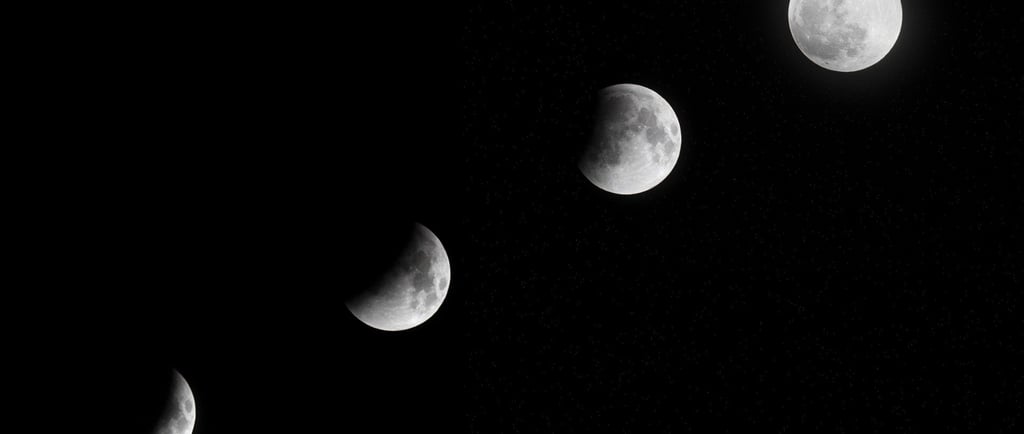
Have you ever noticed how the moon 🌕 changes shape in the sky? One night it’s big and round 🌝, and a few nights later, it’s just a sliver 🌙, like a little boat floating in the dark. Long, long ago—so long that even your great-great-great-grandparents weren’t alive—there were no clocks ⏰ or calendars 📅. But people had something magical to guide them: the moon! 🌌🌟
Imagine a group of people sitting together by a warm fire 🔥 under a sky full of stars ✨. 35,000 years ago. They had no phones 📱, no lights 💡, just the glow of the moon lighting up their world. They watched the moon every night and noticed something amazing. First, it was big and round 🌕, glowing like a lantern in the sky. Then, night by night, it started to shrink. Soon, it became just a thin slice 🌘, then disappeared altogether 🌑! “Where did it go?” they might have wondered. But after a few nights, the moon began to grow again 🌒, little by little, until it was big and bright once more.
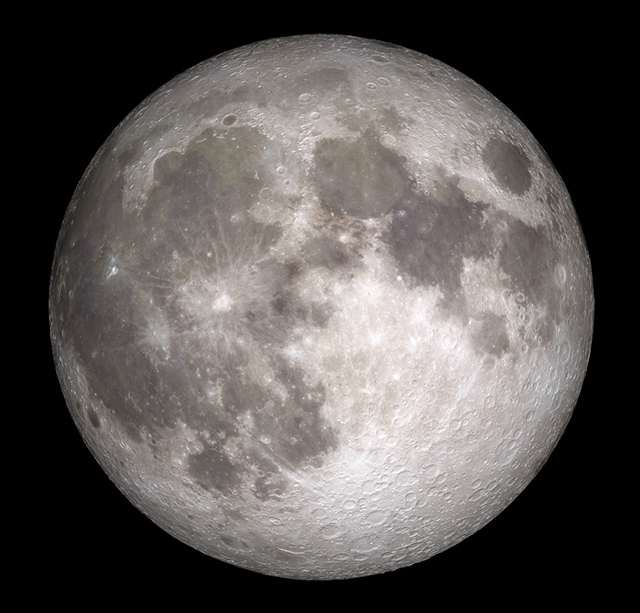
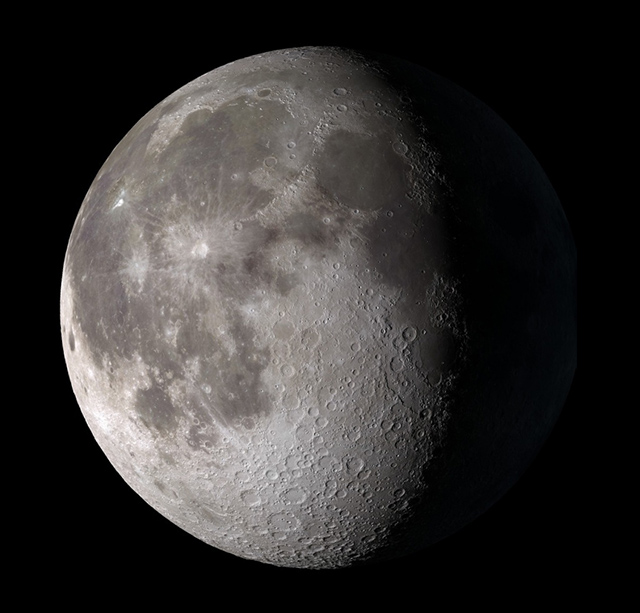
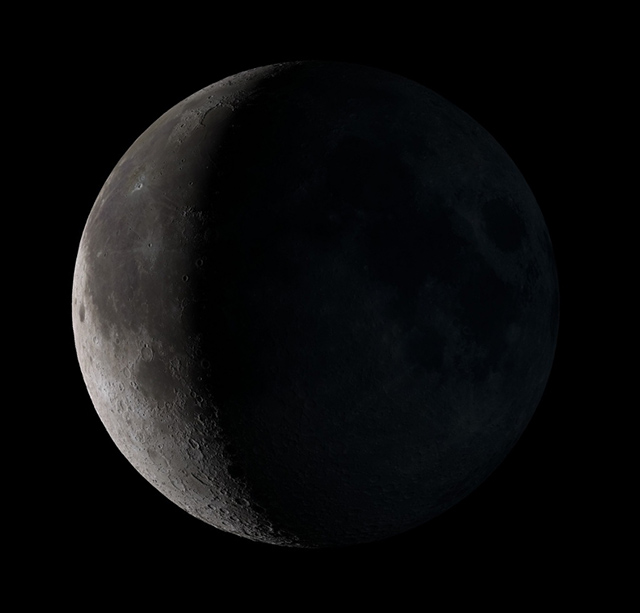


This pattern happened again and again, like the moon was following its own secret rhythm 🎶. They realized they could count the days it took for the moon to go from full 🌕 to gone 🌑 and back to full again. But how did they remember? How could they record these changes so they could share this knowledge with others?
Some people might have carved symbols on rocks 🪨, scratched marks into wood 🪵, or even built something in the ground to keep track of time. Did you know that archaeologists found what might be the earliest recorded lunar calendar in Scotland? At a site called Warren Field, they discovered pits in the earth that are thought to be over 10,000 years old! The calendar consists of 12 pits arranged in an arc shape, resembling a crescent moon 🌙 Each pit may have represented a phase or part of the Moon’s cycle. People may have used sticks, stones, or other markers placed in the pits to record the Moon’s position in the sky and its phase. By moving markers from one pit to another, they could keep track of the lunar month.
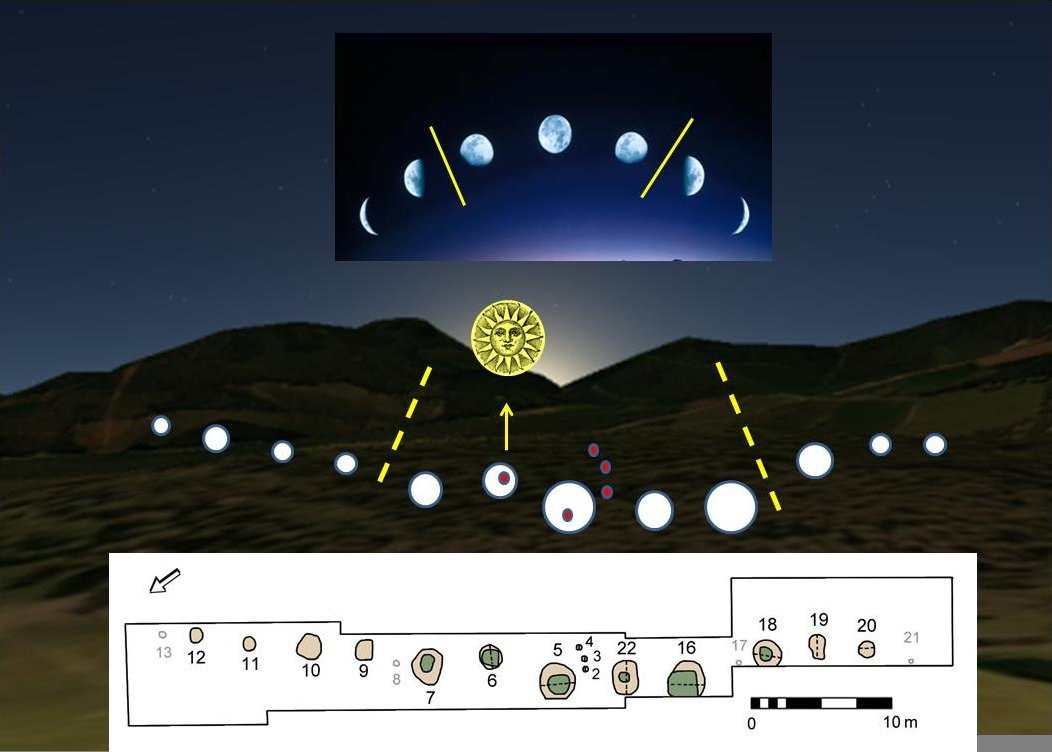
The word “moon” comes from the ancient word mēn, which means “to measure.” And that’s exactly what people did—they measured time by the moon. When the moon grew big and round again, they knew about 29 or 30 days had passed. Each full moon meant about one moonth (yes, that’s where the word “month” comes from!).
People all around the world began to create their own lunar calendars 🌕✨. The lunar calendar is different from the one we use every day (called the Gregorian calendar). Instead of following the Sun ☀️ equanoxes and solstices, it follows the Moon phases 🌕.
Here’s how the lunar calendar works: Each month begins with a New Moon 🌑 and ends about 29–30 days later, when the Moon completes its cycle. They used the Moon’s phases to decide when to plant their crops 🌱, hold festivals 🎉, and even travel long distances 🛶.
In Babylon 🏛️, more than 4,000 years ago, people used a lunar calendar to predict the spring equinox 🌸 and held huge celebrations for their New Year called Akitu🌍.
In Ancient Greece 🇬🇷, 2,300 years ago each month started with the New Moon 🌑, and festivals to honor their gods, like Zeus and Apollo, were often tied to the Moon’s phases. Imagine the entire city of Athens gathering under a glowing Full Moon 🌕 to celebrate!
Even today, some cultures use lunar calendars to celebrate important festivals 🌙. One of the most famous is Chinese Lunar New Year, 🎆🐉also called the Spring Festival 🎉🐉 .But why Is It Called the Spring Festival but celebrated in February? Even though it’s winter in the Northern Hemispere❄️ , the Lunar New Year marks the start of spring 🌸 in the Chinese calendar. It’s a time to celebrate renewal, just like spring brings new life.
Lunar calendars aren’t just part of Chinese culture—they’ve been used by people all over the world! 🌍✨ Like the Hebrew calendar that combines the Moon’s cycles 🌕 and the Sun’s movements ☀️.The Hindu Calendar🪔 and the Islamic Lunar Calendar 🕌. And even the Māori people of New Zealand 🌊 use also a lunar calendar that helps them with fishing 🎣, planting 🌱, and other activities based on the Moon’s phases and the tides.
We can become observers of the moon, just like those early people! Tonight, take a look at the moon 🌌. Is it big and bright like Full Moon 🌕, or is it just a thin crescent 🌙? Record the phases over the next few weeks.Maybe you can even create our own lunar calendar!
On the Geography shelf, we have a material that shows The Phases of the Moon 🌒🌓🌔. You can use it to play games with it and discover more about the moon.🌟✨
The moon has so many secrets to share 🌑🌕, from the story of how it formed 🌍💥—to how it controls our oceans 🌊. But those are stories for another day… 🌌✨
This story connects to Chapter Creation in the Geography Album and the presentation Introducing the Moon.
With Montessori joy,
Vanina 😊