
🌞🌿 The Arrival of Spring: The Tale of Baba Marta 🌸🎀
🌷 A follow-up story that branches from the History, Geography, and Biology Albums, inviting children to explore the cyclical dance between humans and nature. 🌿✨ The Tale of Baba Marta unveils how people across centuries have honored seasonal changes, weaving stories into the fabric of their traditions. 🎀☀️ Rooted in Chapter Fundamental Needs and Ways of Life (History Album), this story highlights the spiritual need for celebration and belonging, showing how cultures create rituals to mark the return of warmth and life. 🌞 In the Geography Album, Baba Marta’s changing moods echo the lessons of Chapter The Work of the Air, where shifting winds and atmospheric changes shape the world around us. 🌬️❄️ Meanwhile, in Chapter Zoology – Introducing the Animals (Biology Album), the arrival of migrating birds 🕊️ signals the end of winter, linking human traditions with the rhythms of wildlife. Like the interwoven threads of a Martenitsa, this story connects to a larger cosmic tale: How have humans adapted their lives and traditions to the patterns of the natural world? 🌎💭
GEOGRAPHY STORIES HISTORY STORIESBIOLOGY STORIES
3/1/20254 min read
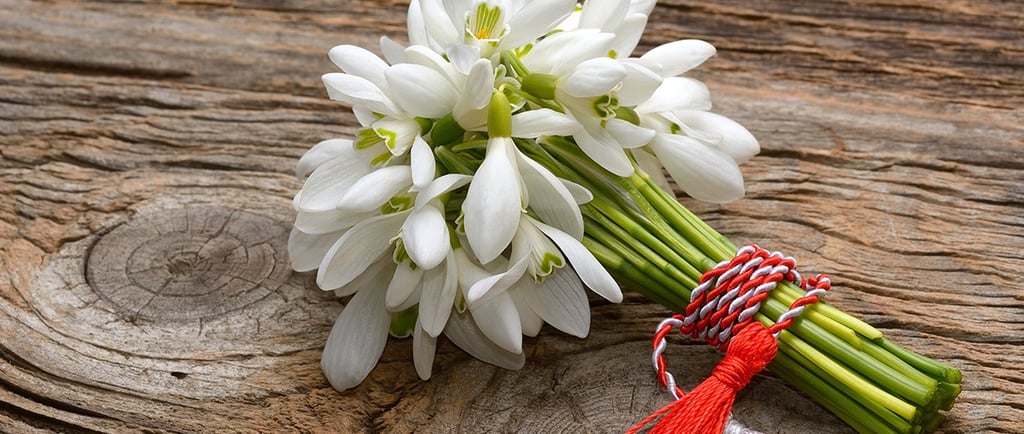
Across the world, people have always celebrated the arrival of spring. 🌿✨ Since ancient times, humans have honoured the cycles of nature, marking the end of winter’s cold embrace ❄️ and the rebirth of life 🌸. The sun ☀️ grows stronger, the days stretch longer, and the Earth awakens once more.
In the lands of the Balkans, where the mountains stand tall and rivers weave through green valleys, there is a special tale told every year on March 1st. A tale of an old woman, of red and white threads, and of the dance between winter and spring. This ancient custom is believed to have Thracian roots ,a civilization that lived in the Balkans over 2,500 years ago. It is a symbol of renewal, unity, and hope, reminding people to respect nature and welcome the changing seasons. 🌷✨
The old legend is saying that long ago, people believed that the month of March was ruled by a powerful but unpredictable old woman—Baba Marta “Grandmother March” 👵.
Some said she was kind and loving, bringing warmth and sunshine ☀️ when she was happy. Others warned that she was moody and quick-tempered—if she grew angry, she would summon winds, frost, and snow ❄️🌪️. Her temper decided the fate of spring.
To win her favor, people created Martenitsi—red and white woven charms 🎀, a gift to Baba Marta and to one another. They believed that by wearing the Martenitsa, they could bring good health, welcome spring, and keep winter’s last storms away. People tie these charms around their wrists🌳, and even on their pets 🐶🐱 for health, happiness, and luck. But there’s a secret—you can only take them off when you see the first signs of spring: a blooming tree 🌳, a migrating stork 🕊️, or a swallow returning home. Then, they tie their Martenitsa to the blooming tree branch, making a wish for health and fruitful year.
🧶 People craft this lucky charms by using two colors:
❤️ Red – The colour of life, strength, and the warmth of the returning sun.
🤍 White – The colour of purity, peace, and the melting snow.
Together, they represent balance, just like winter and spring, cold and warmth, dark and light.
There is another old story about Baba Marta’s wrath. Once, an old shepherdess 🐑👵 believed she was stronger than nature. She led her goats high into the mountains in late March, ignoring the warnings of the villagers. “Baba Marta won’t harm me! I am old like her!” she laughed. But Baba Marta did not like to be reminded of her age. In her fury, she borrowed three days from her younger brother, April, and sent a terrible snowstorm ❄️❄️❄️. The shepherdess and her goats were frozen in the mountains, never to return.
Since then, the last days of March are known as “Baba Marta’s Borrowed Days”—a reminder that spring cannot be rushed and that nature must always be respected. 🌿
Now, while Baba Marta is primarily a Bulgarian tradition, similar customs exist in other Balkan and Eastern European countries! 🌍✨
Bulgaria 🇧🇬 People exchange Martenitsi and greet each other with “Chestita Baba Marta!” 🎀🌸
Romania & Moldova 🇷🇴🇲🇩 – They celebrate “Mărțișor”, which is nearly identical to Baba Marta! People wear red and white talismans for luck and tie them to trees when they see the first sign of spring. 🌳🎀
North Macedonia 🇲🇰 – The tradition is known as “Martinki”, and people also wear red and white bracelets for health and prosperity. ❤️🤍
Greece 🇬🇷 – The tradition is called “Martis” (Μάρτης). Greek children wear a red and white bracelet on their wrist, which they remove when the first swallows appear. 🕊️
Albania 🇦🇱 – Some regions practice a variation of the tradition, also using red and white threads for protection and good health. 🎀
This ancient tradition remind us of one timeless truth:
🌸 Be kind to the seasons, respect nature’s rhythm, and spring will always come.💖
And so, as the first flowers bloom and the air fills with birdsong, people smile at their Martenitsa-and decorate the blooming trees, knowing that spring has returned.🌳🎀✨
💭I wonder...how do people welcome spring in different parts of the world? 🌍 🌞🌱
This story shows the Cosmic Connections between different subjects and chapters in the albums. Here’s how:
📖 History Album - Chapter : Fundamental Needs and Ways of Life – This story highlights human traditions, storytelling, and cultural practices, fulfilling the spiritual need for celebrations and identity. It also shows how people follows and respect nature’s cycles.
🌍 Geography Album • Chapter : Creation of the Universe – The idea of seasonal changes and cycles of nature ties to the cosmic order and how humans adapt to the natural world. In the Chapter The Work of the Air – Baba Marta is a personification of the changing weather, making this a great entry point into discussions about seasonal changes, wind patterns, and temperature affects the land. In Chapter : Human Geography – This connects with how people across the world have developed traditions and beliefs to mark seasonal changes and create a sense of belonging.
🌱 Biology Album In Chapter : Life on Earth – The connection to seasons, migration of birds, and the awakening of plants in spring makes this story a great introduction to seasonal life cycles. The Chapter : Zoology – Introducing the Animals – The tradition of looking for storks and swallows as signs of spring links to migration patterns and how animals respond to seasonal changes.
🎨 Art & Language Album. In Chapter (Art): Handwork and Folk Art – The making of Martenitsi is a traditional folk craft that allows children to engage in cultural art and textiles. While in Language Chapter : Cultural Literature – This folk tale is an example of oral tradition, showing how stories preserve knowledge and values in different cultures around the world.
With Montessori joy,
Vanina 😊