
💎 The King of the Stones or the Stone of the Kings 👑 The Story of Ultramarine 💙
A follow-up story from the chapter "Colour" in the Art Album. 🌈 Stories About Colors takes children on a vivid journey through history to explore how colours have shaped and connected cultures around the world. 🌍🎨 From the cave art of early humans to the vibrant pigments traded along the Silk Roads for thousands of years 🌊, each colour holds its own story of discovery, symbolism, and meaning. Children will uncover how natural elements like minerals, plants 🌿, and even animals 🐦 contributed to the palettes of early artists, linking art with the environment. This exploration invites children to see colours not only as materials on their art shelves 🎨 but as a bridge to the world around them and the history of human creativity. They’ll be inspired to ask, “Where did this colour come from?” and “How was it discovered?” — sparking curiosity about the hidden stories within each hue they encounter.
ART STORIES
11/17/20243 min read
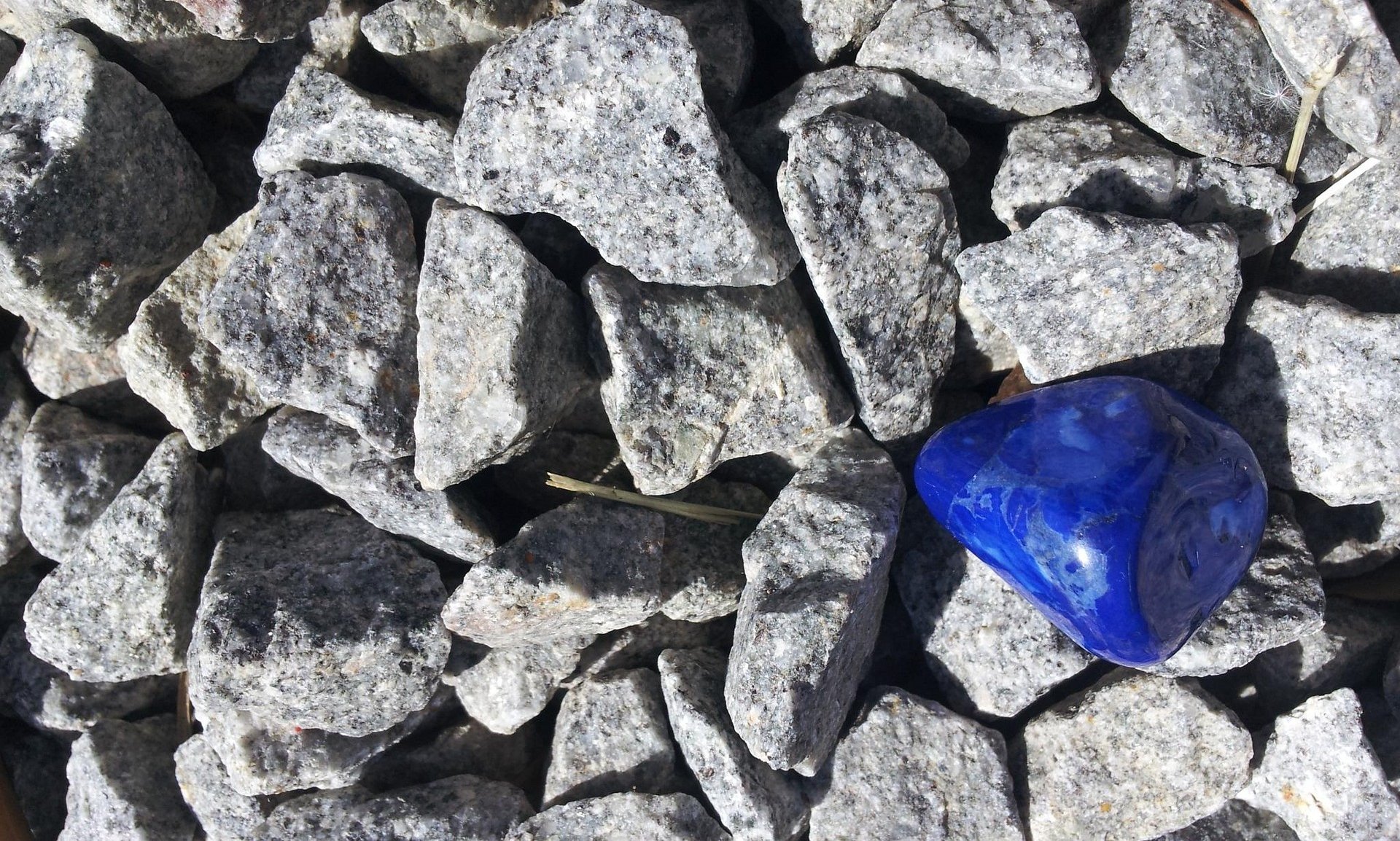
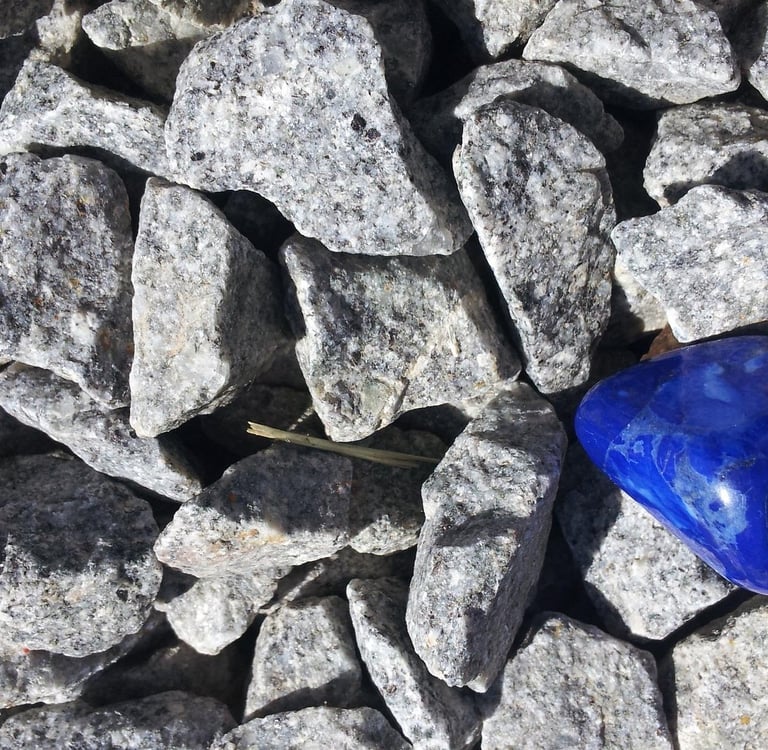
Have you ever painted with colors from nature? Maybe you've seen green from leaves 🌿, brown from the earth 🟤, or even red from rose petals. 🌺. People have been making pigments from the world around them for thousands of years. Some colors came from rocks, others from plants or insects—but one of the most magical colors came from a stone so rare that it was more valuable than gold! 💎✨
This incredible color was called Ultramarine 👏 Ul-tra-ma-rine 👏, which means "beyond the sea," because it came from such a faraway place. 🌍🌊 .It came from a special stone called lapis lazuli, found deep in the mountains of what is now Afghanistan, in deposits that have been mined for over 6,000 years. 💎✨And guess what? That same mine, known as the Sar-e-Sang mine, still exists today!
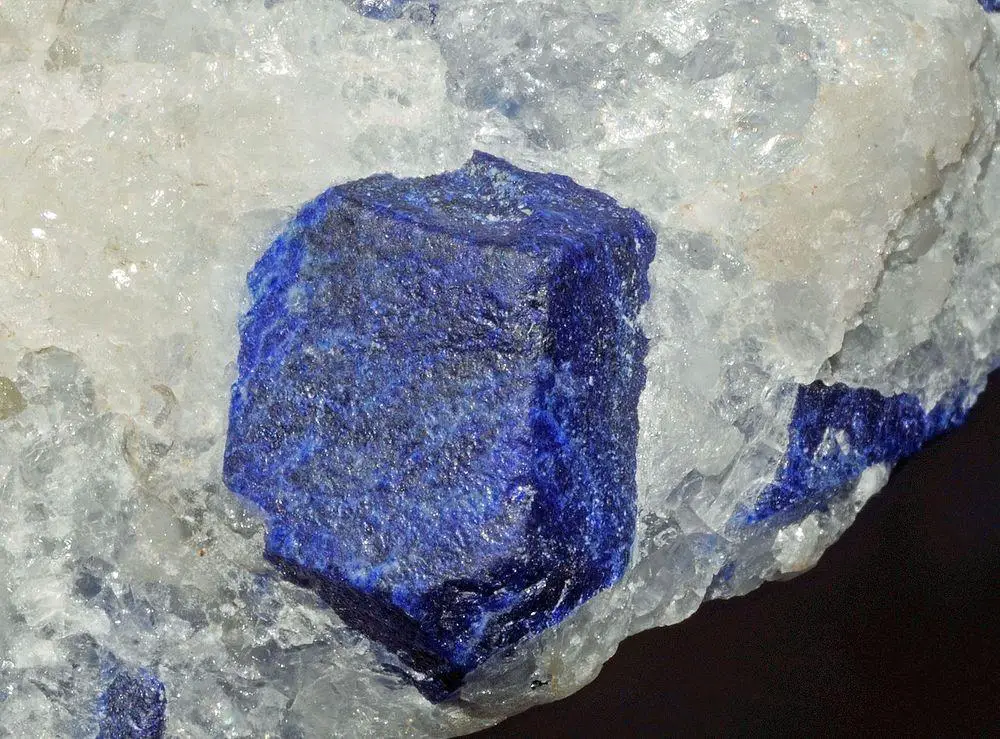

Traders carried lapis lazuli along ancient trade routes to Mesopotamia and Egypt. When the Egyptians got their hands on lapis lazuli, oh boy, did they go wild for it! 💙✨ They didn’t just admire it—they crushed it into powder to make blue eye shadow. Yes, blue eye shadow! Imagine the famous Pharaoh Cleopatra strutting around with shimmering blue eyelids, looking fierce and fabulous. 👁️✨ They used it to create jewelry, amulets, and even makeup! They believed the stone carried the power of the gods and symbolized protection and immortality. 🌌Look at King Tutankhamun’s golden mask—the deep blue inlays are made of lapis lazuli!


Lapis lazuli continued to travel—on boats, camels, and carts—making its way to places like Persia, Greece, and Rome. 🌍🐫 By the time it arrived, everyone was obsessed with this magical blue! In Persia, around 2,500 years ago, kings decorated their palaces with stunning blue tiles, making their walls shimmer like the night sky. 🌌✨In ancient Rome, about 2,000 years ago, emperors used lapis lazuli to show off their wealth and power. They wore it as jewelry—bracelets, rings, and even crowns!💍👑 It wasn’t just for looks; Romans believed the stone could ward off evil spirits.
Creating Ultramarine was like a magical treasure hunt for color! 🎨💎 First, people crushed the shiny lapis lazuli gemstone into tiny bits, like turning a big rock into sparkly dust. ✨ Then, they mixed this dust with sticky stuff like wax, resin, and oil—imagine squishing dough in your hands! 🍞🤲 This special paste was washed in water mixed with lye (a kind of ancient soap) and stirred until the blue color started to float free, like magic potion bubbles rising to the top. 🌊🌀 Finally, they carefully scooped out the glowing blue pigment, dried it, and mixed it with egg yolk or oils to make rich, shiny paint. And ta-da! They had Ultramarine, the most beautiful blue ever! 💙✨ This process could take days just to make a tiny amount of paint! Because of this, Ultramarine was incredibly expensive—sometimes it even cost more than gold. 💰
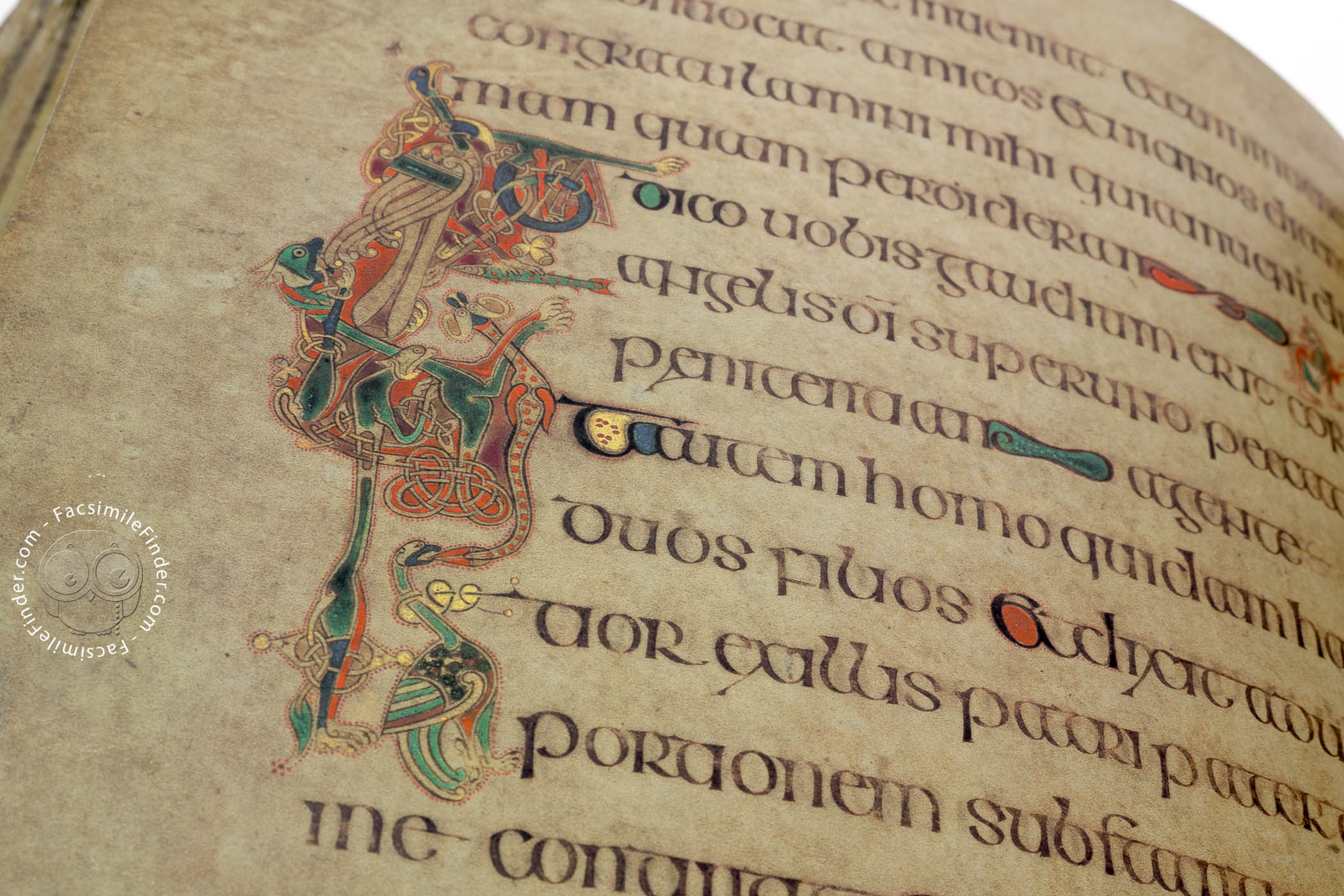
By the Middle Ages, Ultramarine was very special and only wealthiest people could afford it. Artists saved it for the most important parts of their paintings, like the robes of saints or the sky in religious scenes. Monks who created masterpieces like the Book of Kells used Ultramarine to bring illuminated letters to life, layering the paint carefully to make it glow. The blue symbolized purity, heaven, and hope—no wonder it was considered the "royal blue" of its time! 💙✨ Examples showing Ultramarine in pages of Book of Kells photo1 photo2 photo3 photo4



But Ultramarine didn’t stay in the Middle Ages—it continued to inspire artists through history. Even modern painters like Vincent van Gogh used Ultramarine in their masterpieces! If you’ve ever seen his famous painting, Starry Night, you’ve seen the magic of Ultramarine in the swirling, glowing sky. 🌌✨

Today, we don’t need to rely on lapis lazuli to create this stunning blue. Scientists created a synthetic version called French Ultramarine, which made the color more affordable and easy to find. Now, Ultramarine can be found in art supplies all over the world, ready to bring skies, oceans, and dreams to life. 🌌💙
I wonder.. I wonder what other modern artists used Ultramarine? 🎨✨💙
Possible Follow-Up Activities
Create Illuminated Letters:
Explore the art of illuminated letters, inspired by the Book of Kells. Use Ultramarine (or blue paint) to create your own decorative letter with gold and other bright colors. Add swirls, vines, or small animals like monks did. 📜🌿
With Montessori joy,
Vanina 😊