🌿💛Cow’s Gift to Art - The Indian Yellow 🐄🎨
A follow-up story from the chapter "Colour" in the Art Album. 🌈 Stories About Colors takes children on a vivid journey through history to explore how colours have shaped and connected cultures around the world. 🌍🎨 From the cave art of early humans to the vibrant pigments traded along the Silk Roads for thousands of years 🌊, each colour holds its own story of discovery, symbolism, and meaning. Children will uncover how natural elements like minerals, plants 🌿, and even animals 🐦 contributed to the palettes of early artists, linking art with the environment. This exploration invites children to see colours not only as materials on their art shelves 🎨 but as a bridge to the world around them and the history of human creativity. They’ll be inspired to ask, “Where did this colour come from?” and “How was it discovered?” — sparking curiosity about the hidden stories within each hue they encounter.
ART STORIES
12/8/20242 min read
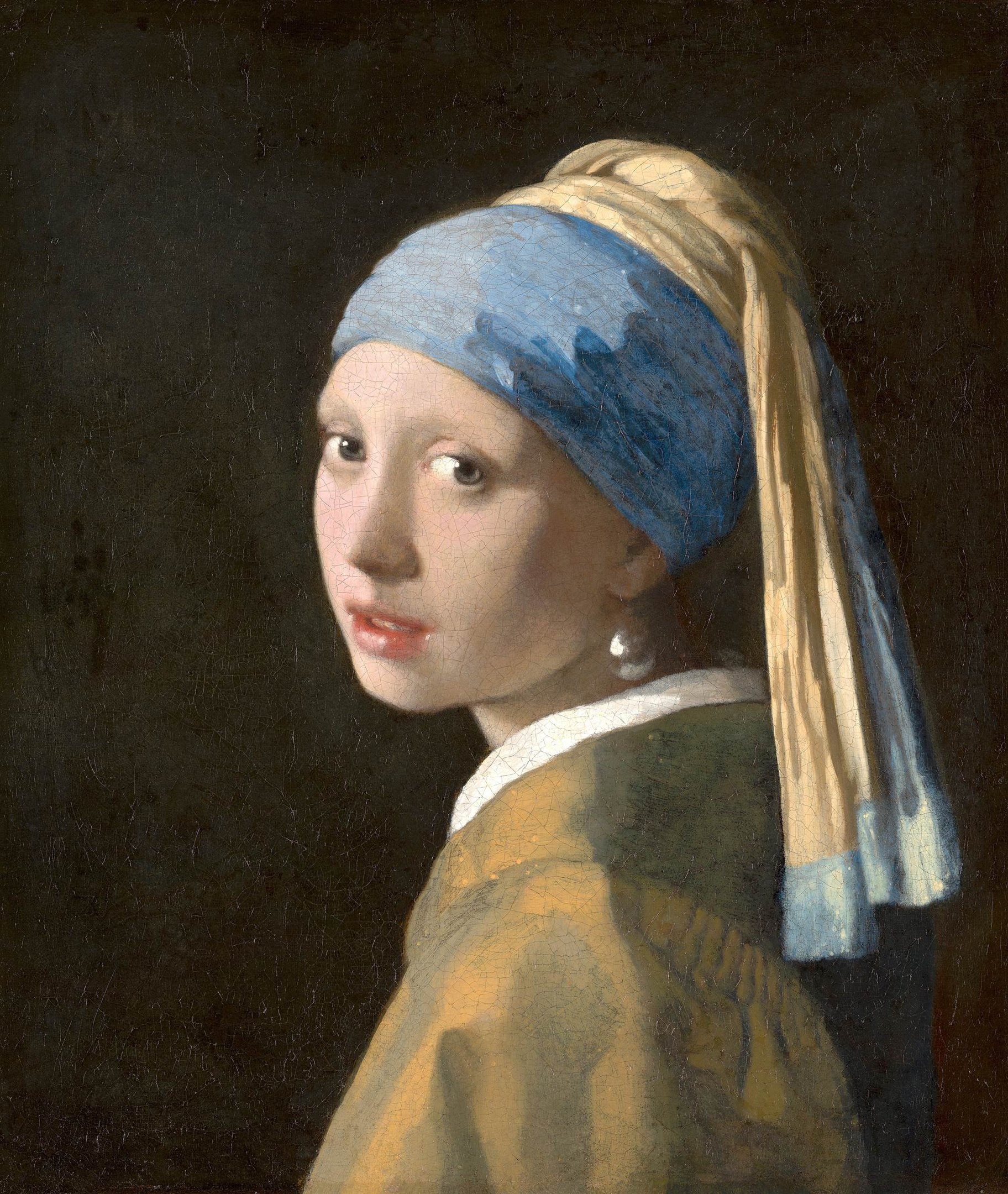
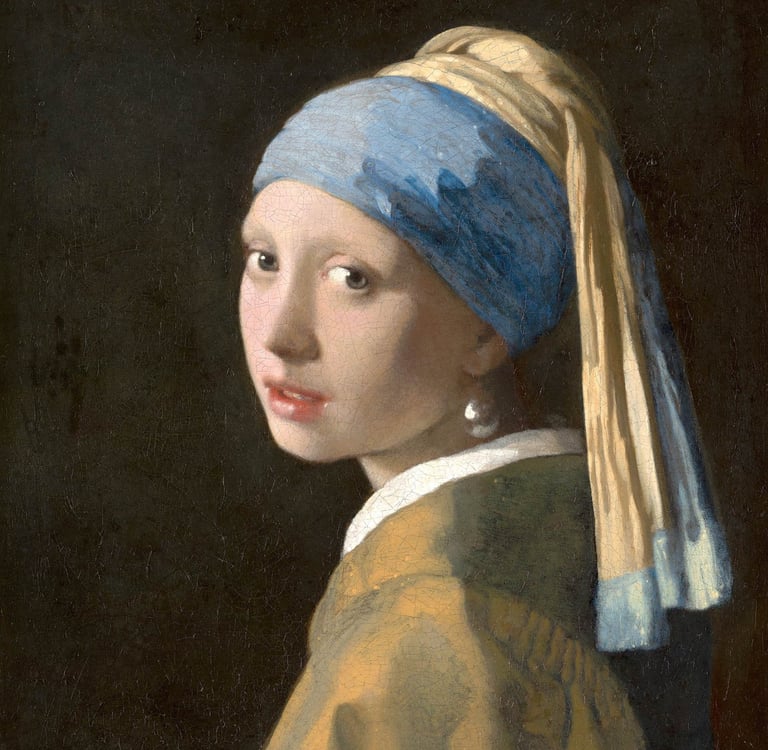
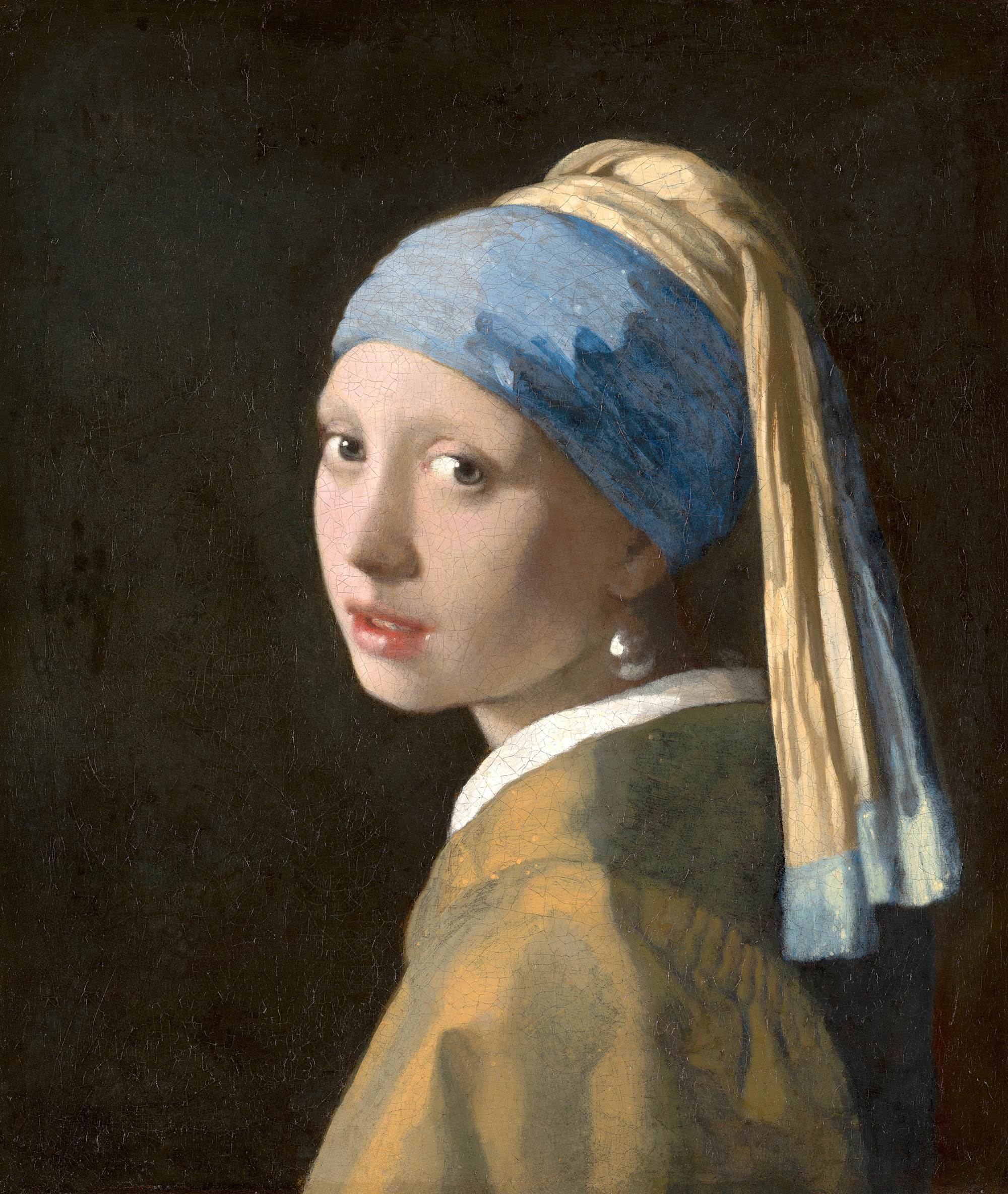
Have you ever seen this beautiful painting called Girl with a Pearl Earring by Vermeer? 🎨👧✨ Look closely—do you see the soft golden tones in her glowing skin and scarf? That warm, sunny color is part of what makes this painting so special. But did you know that this golden yellow came from a surprising source? Today, we’ll dive into the story of Indian Yellow (👏 In-di-an Yel-low 👏), a magical color that traveled all the way from India to the palettes of many artists, bringing their masterpieces to life! 🌿💛
Over 400 years ago, artists in Europe were amazed by a mysterious pigment that arrived from faraway India. It was rich, warm, and seemed to glow like sunlight.Famous painters used it to create highlights that shimmered in their art, whether it was the folds of fabric, the glow of a sunset, or the richness of golden landscapes. But where did this remarkable yellow come from? No one in Europe seemed to know at first—it was a mystery waiting to be uncovered! 🕵️♂️✨
The secret lay in India, where people had discovered an unusual way to create this vibrant yellow. The source? Cows! 🐄 Yes, cows helped make Indian Yellow, but not in the way you might think. Farmers fed cows a diet almost entirely made of mango leaves 🌿. The pigments in the leaves gave their urine a bright yellow color. This yellow liquid was collected, dried, and shaped into small hard balls of pigment called "purree." These little golden balls were then shipped to Europe, where they were ground into powder and mixed with oils or water to make paint. 🎨✨ I
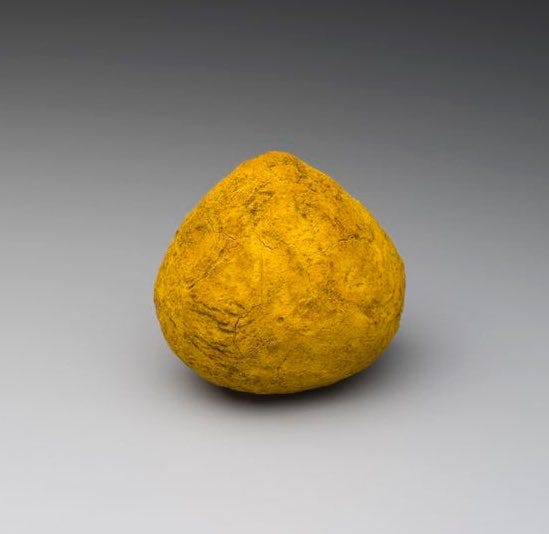
Indian Yellow became so popular that it was nicknamed "sunshine in a bottle." Artists loved how it stayed bright and didn’t fade, even in sunlight. 🟡 Vermeer used it to create soft, golden highlights in Girl with a Pearl Earring. Another famous painter used it to paint glowing skies and radiant light in his famous landscapes. And for centuries, Indian Yellow brought life and warmth to the greatest masterpieces of its time. 🌞✨


But this magical pigment wasn’t perfect. Feeding cows only mango leaves wasn’t good for them, and over time, people realized that the process harmed the animals. By the late 19th century, the production of Indian Yellow was banned, and its golden glow faded from artists’ palettes. However, modern scientists have recreated Indian Yellow as a synthetic pigment, so we can still enjoy this warm hue today—without harming any cows! 🐄🌿💛
💭 I wonder... How do you think people first discovered that cow urine could make a bright yellow pigment? Was it an accident, or did someone notice its golden color and decide to experiment? 🎨✨
Possible Follow-Up Activities
Recreate the Glow:
Try painting a golden highlight in your own artwork using yellow paint. Can you capture the same warmth and glow as Vermeer’s Girl with a Pearl Earring? 🎨✨
Make Your Own Natural Dye:
Experiment with turmeric or marigold flowers to create your own version of a yellow pigment. Use paper or fabric to test your dye. 🌿💛
Explore Famous Paintings:
Look at other works by Turner, Vermeer, or artists from the Baroque era. Can you spot areas where they used Indian Yellow? Try recreating one of their glowing effects in your own art. 🖌️✨
With Montessori joy,
Vanina 😊