Flower Explorations 📖🌺🔍 Variations of the Stamens 🌼✨
🌸✨ A follow-up story that branches from Chapter The Flower, in the Biology Album 📖🌺🔍 It invites children to zoom into the secret center of a flower and discover that the parts inside are arranged in different ways, not by accident, but as part of each flower’s own strategy for pollination 🐝🦋🌬️ This exploration encourages careful observation and comparison, helping children notice that flowers solve the same great problem in many different ways—by changing shape, position, partnership, and design 🌼✨ Тhe story opens quietly into the wider flower chapter, to notice deeper connections between petals, pollen, pollinators, and the larger patterns of plant life 🌿🔗 🎭🌺 🐝🐦🦇🌬️ This story invites children to go out 🚶♀️🚶♂️🌿, look carefully into real flowers 👀, compare what they see 🔎, and wonder together: How are the stamens arranged? Why might this flower be built this way? And who is this flower trying to welcome? 🌸✨
BIOLOGY STORIES
4/26/20263 min read
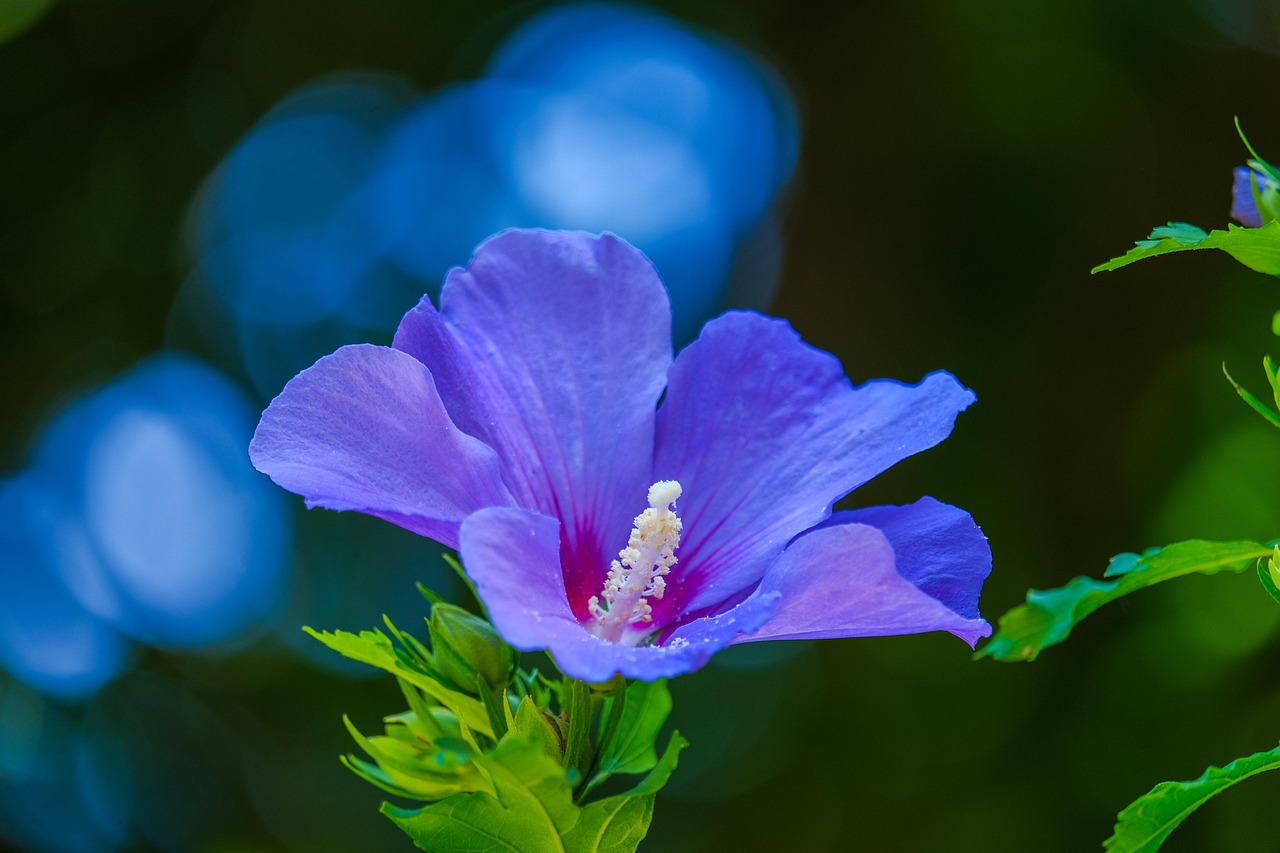
Today we will zoom into the center of the flowers 🔍👀🌸 Can you see this busy little forest in there? 🌿✨
A bundle of threads… little sticks covered in golden dust… or sometimes orange 🧡, red ❤️, pink 🩷, purple 💜, blue 💙, or even creamy white 🤍… almost as if the flower is hiding its most sacred treasure in the very middle ✨🌼
When we dissected a flower, we discovered that these parts are called stamens 🌼 This name comes from Latin and means a thread — a very good name, because many stamens do look like delicate little threads holding something important at the top.
You may remember that each stamen has two main parts 👀 The filament is the slender stalk-like part, like a little thread or stem 🌿 And at the top is the anther, where the pollen is made and held — like a tiny pollen box full of dusty treasure ✨💛 These are the parts that carry pollen, and at first we might imagine all flowers build them the same way. But flowers are far too clever for that 😄🌿
Some flowers keep their stamens separate 🌸 Some attach them to the petals 🌺 Some tie them together in one bundle 🤝🌼 Some divide them into two teams 👯🌸 And some even join the pollen-making parts together, as if they are forming a little club in the center of the flower 🎭🌼✨
So today we are not just looking at flower parts.We are looking at flower strategies 🕵️♀️🌸
Flowers are not only busy advertising and attracting pollinators. They are also solving problems. They are asking, “How should I arrange my stamens so pollen gets where it needs to go?” 🐝🦋🌬️
Let us peek inside a few flowers and see the different ways they have organized their stamens.
First, here is a primrose 🌼 Its stamens are called epipetalous. Let’s clap it: 👏ep-i-pet-al-ous 👏Do you hear that prefix Epi-? It means upon or on. And petalon is a Greek word meaning leaf or petal. So here the filaments are attached to the petals. Instead of the stamens standing completely on their own, it is almost as if they are hitching a ride with the corolla 🚕🌸 Imagine the petals saying,“Come along, stamens. We’ll help lift you into the perfect place.” 😊
Many primroses, and other specimens like cowslip have the pollen and the sticky tip in the middle — the stigma — at different heights. That means when an insect visits one flower, the pollen may brush onto one part of its body, and when it visits another flower, the stigma may touch that same place and pick the pollen up. So the flower makes it easier to share pollen with a different flower instead of keeping it all to itself 🐝🌼✨
Here I have another flower with a different sollution! Look at this sunflower from the daisy family 🌼 ( You can bring maybe a daisy, a sunflower, or a dandelion. ) 🌼 But look carefully… can you spot the stamens? In this flower, the stamens can be synandrous. Let’s clap it: 👏syn-an-drous 👏. Here can you hear the ancient Greek prefix Syn- meaning together. Notice all those pollen-making tops huddling together like teammates , all anthers are fused together while their fillaments are separate.🏅🌼
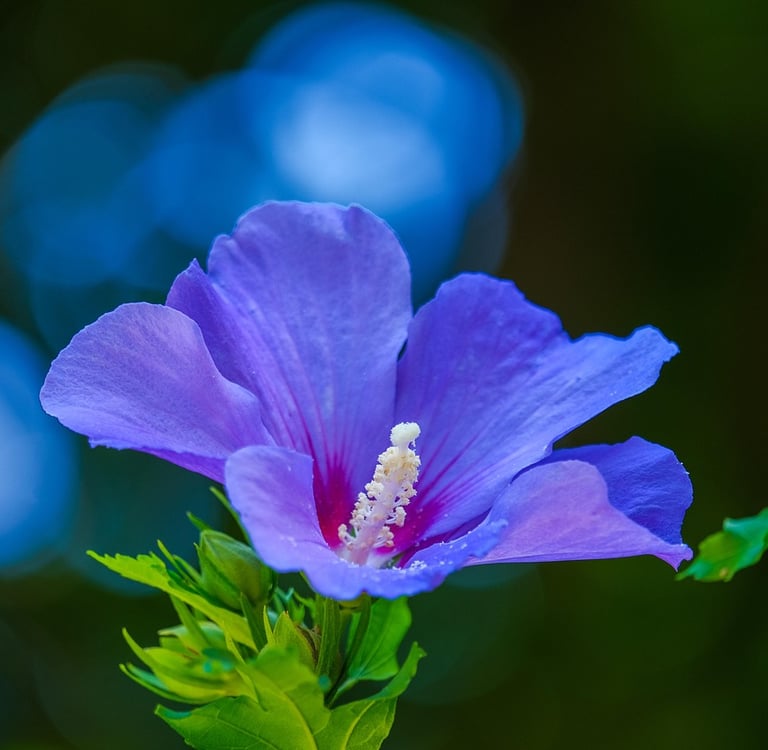
Now let us look closely at a hollyhock🌺. This flower does not hide its stamen arrangement at all. It almost shows off! Its stamens are called monadelphous. Let’s clap it: 👏 mon-a-del-phous 👏 Here the Greek prefix Mono- means one, and adelphos means brother. So the stamens are like one brotherhood, one united team 🤝🌺 The stamens form a tube-like column around the style, almost like a chimney rising from the middle of the flower ✨ hibiscus flowers are another examples of this one brotherhood, spot this fuzed thing fillament looking like a long tube, with the anthers showing higher up right before the stigmas that are standing at the tip.🌺
Now let us look at a pea flower 🌸 This stamens are often called diadelphous. Let’s clap it: 👏 di-a-del-phous 👏. Here you can hear the Greek prefix Di- meaning two, and adelphos you already know the meaning — brother. Like the one brotherhood in hollyhock, here the flower has two brotherhoods 😄🌸 That means the stamens are united partly and then divided into two teams. Usually one bundle is joined, while one stamen stays free. It is as if the stamens are saying, “We work together… but not all in exactly the same way.” The corolla of these flowers is shaped almost like little wings, and pollinators must land in just the right place to make the flower parts move and open a path to the hidden stamens. It is like a mystery puzzle for smart pollinators. 🐝🛬
Flowers are using many different designs to help with the great work of pollination 🌸✨ They are full of experiments. They do not all follow one simple arrangement of parts. Now when you spot a flower on your walk, you can look carefully 👀 You can zoom in 🔍
Now I wonder💭 How are the stamens organized in the tulip ?
So now let’s go outside and find examples for each of the variation.
Can we find stamens that are epipetalous — joined to the petals? 🌺
Can we find stamens gathered into one bundle — monadelphous? 🤝
Can we find stamens divided into two bundles — diadelphous? 👯
Can we find pollen-making parts fused together — synandrous? ✨
And who is the special pollinator this flower is trying to attract? 🐝🦋🐞🌬️
With Montessori joy,
Vanina 😊