Labour Day 🖐️ The Day of the Workers’ Hands 👷⚙️🌍
🖐️ A follow-up story that branches from Human Geography in the Geography Album and connects beautifully to Fundamental Needs in the History Album 👷⚙️🌍✨ It invites children to uncover the invisible web of human work—how one piece of bread may carry the labour of the farmer, miller, baker, shopkeeper, transporters, toolmakers, road builders, and many helpers we may never meet 🌾🚜🏭🚚🍞. Beginning from the child’s own life—food, clothing, shelter, transport, water, electricity, care—it opens the door to the chapter’s great discovery: no one is self-sufficient; everybody needs everybody 🤝🧵. This story links naturally with the Human Geography explorations of how people adapt to different zones, how products move through society, how goods and services are exchanged, how human labor help create shared roads, water pipes, hospitals, schools, and public services, and how economic geography can lead children to wonder where things come from and who worked to bring them to us 🛣️🚰🏥🏫💰. It also reveals the moral and cosmic dimension of work: human beings are not machines, but people with dignity, imagination, responsibility, and the power to cooperate, collaborate, trade, serve, protect, repair, create, and care ❤️🧠🖐️. Through the story of Labour Day, children are invited to see work not only as a job, but as a relationship—a pattern of invisible lines connecting homes, farms, workshops, cities, countries, and the whole human family 🌍🕸️. It sparks wonder: “What workers are hidden inside one object I use every day?” “How do people around the world celebrate Labour Day?” “What jobs happen while most people sleep?” “How can work be fair, safe, and dignified?” and “What work will my own hands one day offer to the world?” ✨🔎
GEOGRAPHY STORIES HISTORY STORIES
4/30/20264 min read
In many places, people celebrate International Workers’ Day or Labour Day on the 1st of May. But what is a worker?
Is it only someone who wears a helmet and builds a bridge? 👷🌉 Is it only someone who drives a bus? 🚌🚦 Is it only someone who bakes bread before the rest of the city wakes up? 🍞🌅
A worker is any person who gives time, energy, skill, and care to do work that helps life continue ⏰⚡🧠❤️ Think about this morning. Maybe you came from home, maybe you walked outside, maybe you went to a shop, maybe you took a bus, or maybe you stayed in your home 🏠🚶🛒🚌. Even before this story began, how many workers had already helped your life?
Someone may have grown the grain for your bread 🌾🍞. Someone baked it 👩🍳🔥. Someone drove food to the shop 🚚🛒. Someone cleaned the street 🧹🚶. Someone collected the rubbish 🗑️♻️. Someone made the shoes or socks on your feet 👟🧦. Someone built the road, the house, or the room you are in right now 🛣️🏠🧱. Someone repaired pipes so water could come from the tap 🔧🚰. Someone helped make electricity so a light could turn on 💡⚡. Someone cared for a newborn baby in a hospital 👶🏥, healed a sick person 🩺, wrote a book 📚✍️, fixed a pipe 🔧, cooked soup 🍲, planted a tree 🌳, or carried heavy boxes that no one else saw 📦💪.
What an interesting thing! We can be helped by hundreds of hands every day — without knowing those workers 🖐️🖐️🖐️🌍.
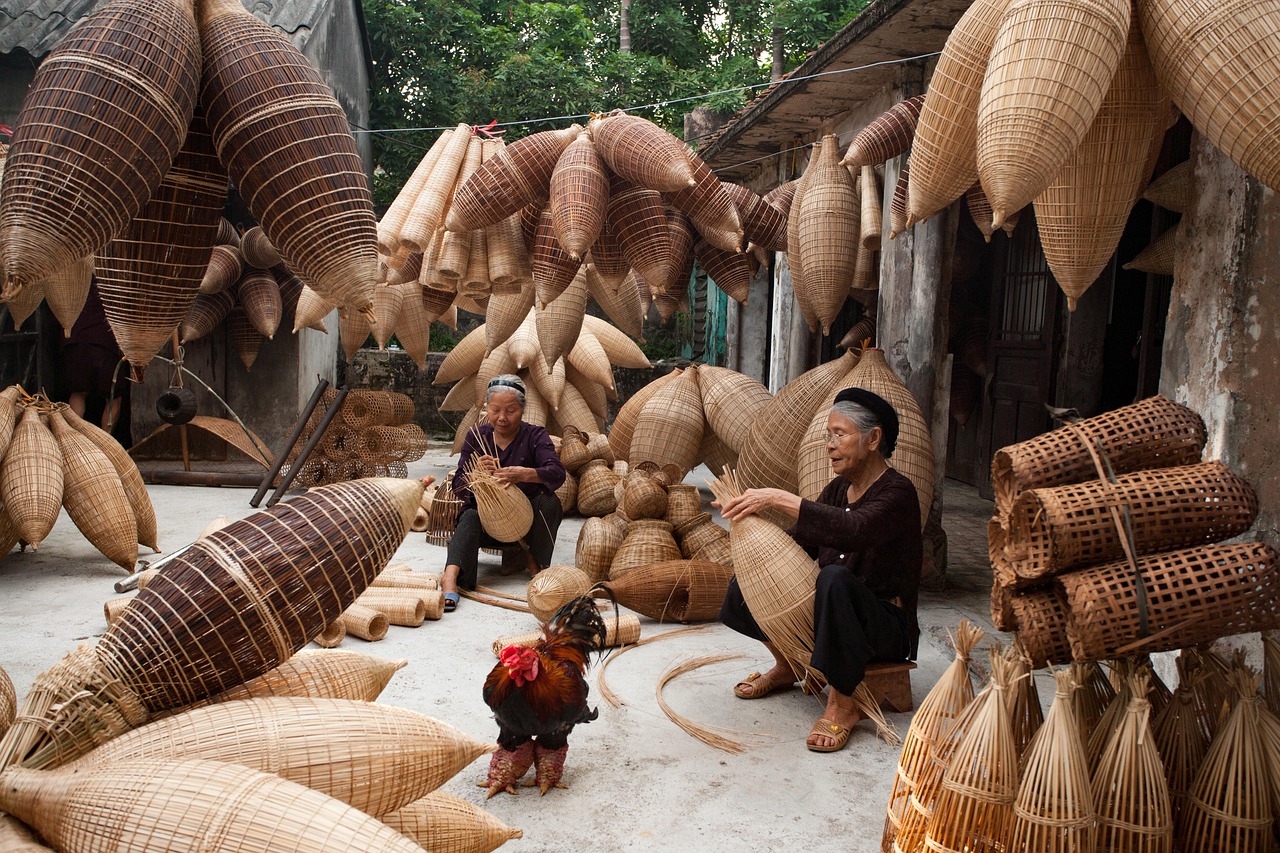
Long ago, human beings lived much closer to nature in small communities 🌲🔥🏕️. They had to find food, make shelter, protect themselves, and care for one another 🍓🏹🛖❤️. Slowly, slowly, people began to divide the work.One person was skilled at shaping clay into bricks 🧱. Another knew plants well 🌿. Another could make clothing 🧵👕. Another could remember and tell stories 🗣️🔥. Another could watch the sky and tell when the crops could be harvested 🌌🌾. Another was good at weaving baskets 🧺.Later, when human beings began to live in larger towns and cities 🏘️🏙️, work became more specialised and more divided. Some people became farmers 👩🌾. Some became builders 👷. Some became weavers 🧶, miners ⛏️, sailors ⛵, teachers 👩🏫, cooks 👨🍳, nurses 🧑⚕️, cleaners 🧹, printers 🖨️, drivers 🚛, and toolmakers 🔨.
Each person did a part. Together, they created something much bigger than one person could create alone 🌍🤝✨. This was one of humanity’s great discoveries: no one is self-sufficient. It means able to provide everything for oneself.
Could one person grow all their food 🌾, make fabric and sew all their clothes 🧵👗, build their own house 🏠, make their own shoes 👟, make electricity ⚡, and bake tomorrow’s bread 🍞?
Probably not! 😄 Human beings discovered: “We do not have to do everything alone. Everybody needs everybody.” 🤝🌍❤️
But here came a problem ⚠️. When people began to depend on one another more and more, work became powerful. Some people owned land 🌾. Some owned factories 🏭. Some gave orders 📋. Others worked for many hours, sometimes in dangerous places, sometimes for very little money ⏰⚙️💰.Work was not fair for everyone! Imagine a child long ago, not going to school, but instead worked from early morning until night 🌅🌙. standing in a noisy factory with machines louder than thunder ⚙️⚙️⚙️🌩️.
People began to wonder about important questions : How much work is fair? ⚖️ How much rest does a human being need? 😴 How can work be safe? 🦺 How can families have time together? 👨👩👧👦How can a worker be treated fairly? 🤝 These were not small questions. These were questions about human dignity ✨.The word dignity means the worth that belongs to every human being.
In some factories, the machines were treated as if they were more important than the people! 🏭⚙️ But a machine does not dream 🌙. A machine does not love ❤️. A machine does not go home tired and still tell a bedtime story 📖🛏️.A machine has parts — but human beings are born with special gifts: a mind that thinks, a heart that loves, and hands that work 🧠❤️🖐️.
So driven by their questions and need for fairness, workers began to gather. First a few. Then many 👥👥👥. They marched, spoke, sang, made banners, and asked for better conditions 🚶🎤🎶🚩.
One very famous demand was: Eight hours for work, eight hours for rest, eight hours for what we will. ⏰🛠️😴🎨 What a beautiful balance: work, rest, and freedom ⚖️✨.
Labour Day grew from the labour movement, especially the movement for the eight-hour workday 🕰️. In many countries, Labour Day is connected with 1 May and with events that happened in the city of Chicago in the United States 140 years ago, when workers were united in calling for an eight-hour working day 🏙️🇺🇸🤝. The 1st of May became a day when people remembered these efforts 📅🕊️. It was not only a day of complaint. It became a day of gratitude, courage, and community 🙏🦁🤝.
In many countries today, Labour Day is a non-working day, a day to honour workers and the achievements of working people 🌍🖐️🏆. In some countries, people celebrate by doing another kind of work: taking care of nature 🌱, collecting litter 🗑️♻️, caring for their homes 🏡, planting in gardens 🌷, repairing something useful 🔧, or helping their community 🤝.
Work is everywhere. When you stop one kind of work, you often begin another. You do not stop moving, talking, thinking, caring, observing, or creating 🚶🗣️💭❤️👀🎨.
The bee works with the flower 🐝🌸. The earthworm works in the soil 🪱🌱. The river works as it carries water 🌊. The roots work silently underground 🌳. And human beings love to work too — but humans have a special responsibility 🧠❤️🖐️.
They can choose what to work on. They can ask: “Does my work serve only me?” 🤔 “Does my work serve my community?” 🏘️ “Could my work even serve people I do not know and may never meet?” 🌍✨
Some people may have the day off on the 1st of May 🛌🌷. But some people may still work. Buses may still move 🚌. Hospitals may still care for the sick 🏥. Shops may open or close 🛒. Food still needs to arrive 🚚🍎. The world does not stop — because human needs do not stop 🌍❤️.
International Workers’ Day is not just a story about human labour 🛠️. It is a story of gratitude 🙏. It is a story about how human beings organize society, meet fundamental needs, and learn to cooperate, collaborate, trade, serve, protect, repair, create, and care 🤝🧺🛡️🔧🎨❤️.
Now I wonder… Do people all over the world celebrate Labour Day on the 1st of May? 🌍📅 Maybe you can make a map showing which countries celebrate Labor Day on the 1st of May?🗺️
Possible Follow-Up Explorations 👀
What are some of the most dangerous jobs in the world? ⚠️
What jobs are done only at night, while most people sleep? 🌙
What work happens underground, in the air, at sea, or high above the city? ⛏️✈️🌊🏙️
What workers helped bring one loaf of bread to our table? 🌾🚜🚚🍞
What workers helped make one pair of shoes? 👟
What work is almost invisible, but very important? 👀✨
What machines help workers, and what work still needs human hands? ⚙️🖐️
How do people make work safe? 🦺
What work helps nature? 🌱
What work would disappear if nobody noticed it? 🕯️
Can we make a chart showing all the workers connected to one ordinary object like the pencil ? 🧵📊
With Montessori joy,
Vanina 😊