The berry with puckery surprise - The persimmon 🍋😳
A follow-up story rooted in the Biology chapter on Types of Fruits! Just like spices, fruits have traveled along ancient routes, spreading flavor and nourishment across the world. Through this story, we open the door to history, inviting further exploration of how different fruits have played important roles in various cultures around the globe. 🌍 And even into poetry, where children can discover different types of poems and connect them with the beauty of nature. 🍂📜
BIOLOGY STORIES
11/5/20243 min read
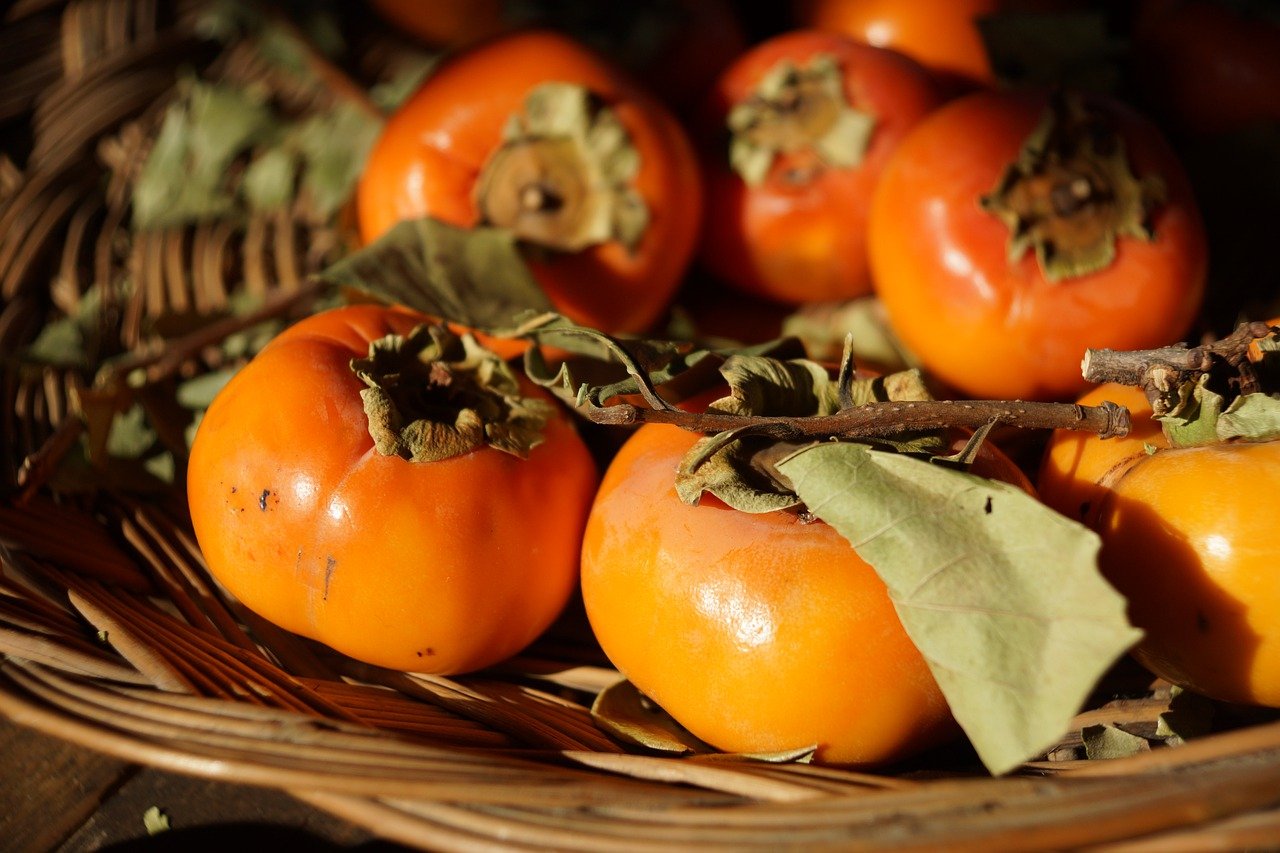
Do you know the name of this fruit? (Some children may know, while others may wonder.) This is a special type of fruit—a berry! 🍇 I’m not joking; this is a berry! Let’s see if you remember what the characteristics of a berry are…
A berry is a type of fruit that has a succulent endocarp, mesocarp, and exocarp—everything is juicy and delicious, with many seeds inside. Sometimes we eat the outer layer, the exocarp, and sometimes we don’t, but everything else is soft and filled with juice. That's what makes it a berry! 🍇✨ Some examples of berries are tomatoes, grapes, bananas—and guess what? The fruit I’m about to tell you about fits this description too!
Per 👏 si 👏 mmon 👏! This unique name comes from the Algonquin Native American word "pessamin," which means “dry fruit.” But is it really dry? (Pass the fruit around so children can touch, smell, and examine if it feels dry.)
We’ve already discovered that it perfectly fits the characteristics of a berry. It might not look like strawberries or blueberries, but persimmons are technically berries because they have lots of seeds inside, all protected by juicy flesh. 🍇🍊 Let's cut it open and see!
Unlike some other berries, like grapes, which you can pop right into your mouth, with persimmons, you have to wait for just the right time to eat them. If you eat an unripe one (like I did once), it might make your mouth pucker, just like biting into a lemon! 🍋 Yuck! But when they’re ripe, they are super sweet and delicious! Yum!
So, what makes persimmons so unique? There are two main types: astringent and non-astringent. As👏 trin👏 gent👏 means something that makes your mouth feel dry or puckery if it’s not ripe yet. 🍋 Some persimmons, like the Hachiya, need to be really soft before you can enjoy their sweetness. On the other hand, non-astringent persimmons, like the Fuyu, can be eaten while still firm, and they taste sweet and crunchy, like an apple! 🍎
Now, let’s take a little journey with the persimmon back to China, over 2,000 years ago! People there thought it was so special that they even wrote Haiku poems about it. The persimmon tree doesn’t need much care and can live for hundreds of years, producing sweet fruit every autumn. 🌳🍂 From China, persimmons traveled to places like Japan, Korea, Europe, and even to North America. What an adventure, all thanks to humans!
Not only are persimmons delicious, but they’re also super food! They’re packed with Vitamin C (which helps you fight with viruses) and fiber (which helps your tummy feel good). 🍊✨ In Japan, people hang dried persimmons during the winter months to make sweet, chewy snacks. In Korea, persimmons are a symbol of wisdom and good luck—they’re even part of New Year’s celebrations! 🎆✨
But persimmons aren’t just for people! Squirrels, deer, birds, and even bears love to snack on persimmons that fall from the trees. 🐿️🍂 And as these animals move around, they help spread the seeds, planting new trees in the forest. 🌳
Now, what about those puckery persimmons? Well, if you dare to bite into an astringent persimmon too early, your mouth might feel like it’s being squeezed! But once it ripens, the fruit becomes soft and sweet—like magic! 🌟🍊✨
Maybe you’d like to create a Haiku poem like me inspired by persimmons and autumn. Remember to Clap along to check if you got the syllables right!
Or, go to the grocery store to find some persimmons and see if you can tell whether they’re astringent or non-astringent. I wonder how long you’d have to wait for puckery persimmons to be ready to eat?
This story can also be a link to one of the chapters in the Language Album, titled "Poetry and Literature," where children are introduced to types of poems—one of them being Haiku. 👏 Hai 👏 ku 👏 is a name derived from Japanese, meaning "playful phrase." It’s a three-line poem with a 5-7-5 syllable structure, capturing a single moment or image in nature, often with a seasonal theme. Haiku poetry can be a lovely way for children to connect with the beauty of nature's rhythms and the simplicity of poetic expression! 🌸🍂
With Montessori joy,
Vanina 😊
Golden fruit ripens, ( 5 syllables )
leaves drift softly to the ground, ( 7 syllables )
sweetness waits for frost. 🍂 ( 5 syllables )