The Fruit with Snake Skin 🐍🍈 Salak
🐍🍈 A follow-up story that connects The Fruit chapter with the later work of The Seed and Ecology in the Biology Album. 🌿✨ It invites children to look closely at snake fruit🐍🍂, and notice that its scaly, prickly covering is not just unusual decoration 🛡️, but part of the fruit’s great work: to protect the precious seed 🌰 and help it travel away from the mother plant 🌱➡️🌴. In the Fruit chapter, children meet the idea that a fruit is a swollen ovary 🌸➡️🍈 and discover that fruits have invented many strategies to house and protect seeds 🏠🌱—some keep them in chambers 🚪, some make themselves juicy and succulent 💧🍑, and some even defend themselves with prickly spines 🌵. Is this fruit using armor 🛡️, sweetness 🍯, or both? Who dares to eat this fruit 🐒🐦🦇, and who helps carry its seeds into the world? 🌱➡️🌍 That question leads children naturally toward The Seed chapter 🌰✨, where they discover that seeds have developed many ways of getting away from the mother plant 🚶♂️💨, and toward Ecology 🌿🕸️, where they can explore the hidden partnerships between plant 🌴, animal 🐾, place 🌎, and survival in the great web of life. 🕸️💚
BIOLOGY STORIES
3/17/20262 min read
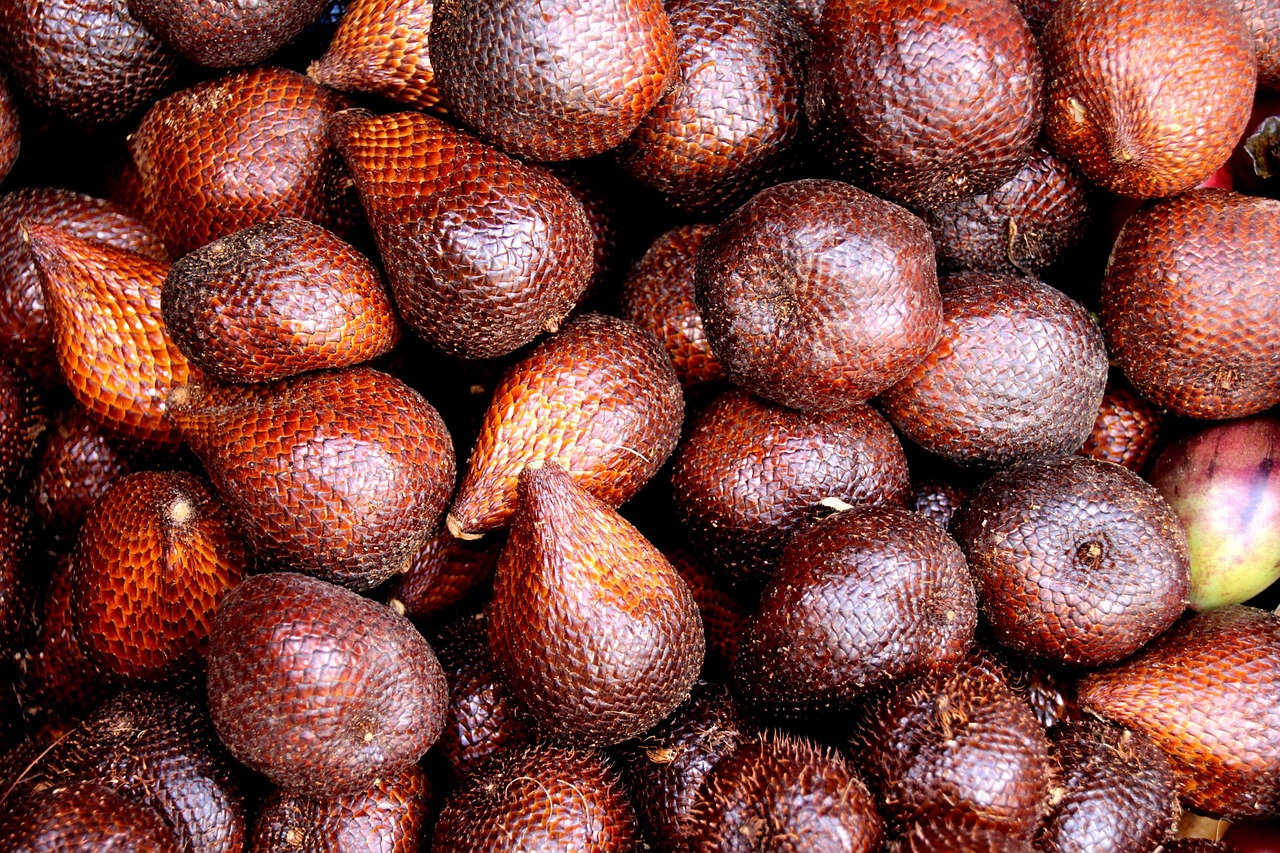
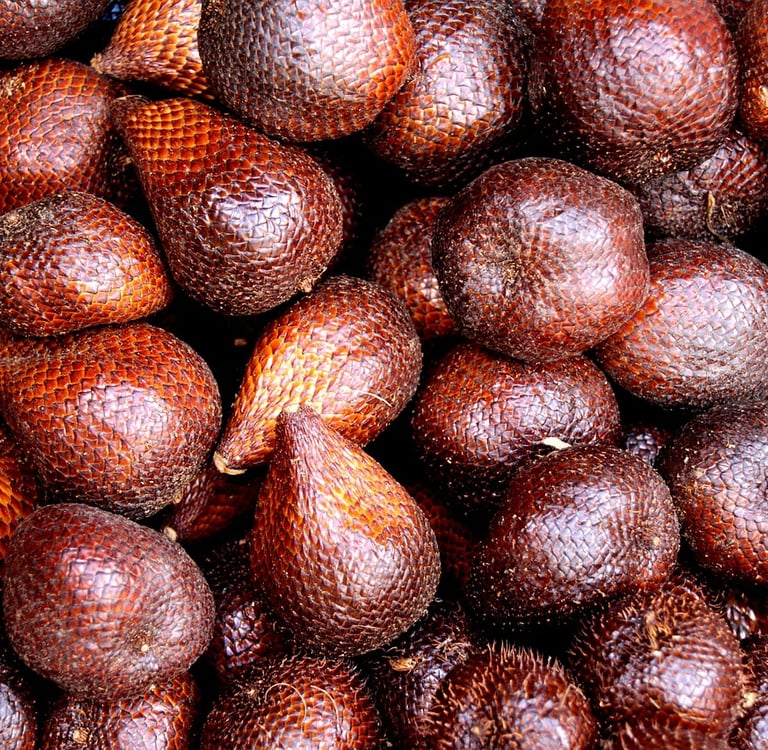
Look carefully at this fruit. 👀🍈
What do you notice first? Its skin is brown and shiny 🤎✨ It has little scales all over it. It almost looks like a tiny armadillo or a snake. 🐍🌿 It is small enough to fit in your hand. It feels dry, a little rough, and covered in a pattern.
This is an unusual coat for a fruit. It’s not smooth like an apple 🍎. It was not fuzzy like a peach 🍑. It is not covered in tiny dots like a strawberry 🍓. This fruit looks different from many fruits you already know.
Its coat makes people stop and stare. Sometimes it even makes them laugh in surprise. 😄 “A fruit with scales?” people might say. “Yes — that's a fruit with scales!” That is one reason it is called snake fruit. 🐍🍈 Its other name is salak. Let’s clap it: sa-lak 👏👏
Salak grows on a kind of palm in warm tropical parts of Southeast Asia, and it is especially associated with Indonesia. 🌴☀️ There are no cold winters there, so it stays warm all year round. For many people in this part of the world, this is a fruit they often eat fresh. 🍽️But people are creative, also make it into juice, jam, chips, sweets, and candies.
If you think that this covering is defensive, wait until you see the mother plant armour! This scaly fruit grows in clusters near the base of a palm, and the plant itself can be very prickly, almost as if it is guarding its treasure. But why?
Underneath the scaly covering we can find a pale flesh, often divided into neat sections, almost like cloves of garlic. 🧄🍈 Sometimes there is a dark seed hidden inside. So this strange fruit has two very different messages: on the outside it says, “Be careful!” 🛡️ on the inside it says, “Come taste.” 🍯 Many people describe snake fruit as sweet. Some say it tastes a bit like apple 🍏, a bit like pineapple 🍍, and maybe even a little like honey or nuts. Different kinds of salak can taste different from one another.
You remember that a fruit is a swollen ovary. 🌸➡️🍈 Its work is to protect the precious seed and help it travel away from the mother plant. Fruits have invented many different strategies for protecting their seeds: some keep seeds in compartments, some in large chambers, some have juicy succulent parts, some put the seeds around the juicy fruit like the strawberry, some hide them in a shell like the peach, and some even have prickly spines for protection, like the snake fruit.
But I wonder .... what kind of fruit is snake fruit? To discover that, you must open it and investigate its layers, find the seed, and then you will be more sure what type of fruit it is. You will do what botanists do: explore all parts of the fruit before placing it into a specific group with other fruits that are alike.
And I also wonder... Who dares to eat this fruit? 🐒🐦🦇 Who helps carry its seeds into the world? 🌱➡️🌍 And what other fruits do people in Indonesia eat that are different from the fruits that grow in our region?
With Montessori joy,
Vanina 😊