
The Magic of Vermilion: A Color Across Time and Nature🎨🏜️
A follow-up story from the chapter "Color" in the Art Album. 🌈 Stories About Colors takes children on a vivid journey through history to explore how colors have shaped and connected cultures around the world. 🌍🎨 From the cave art of early humans to the vibrant pigments traded along the Silk Roads for thousands of years 🌊, each color holds its own story of discovery, symbolism, and meaning. Children will uncover how natural elements like minerals, plants 🌿, and even animals 🐦 contributed to the palettes of early artists, linking art with the environment. This exploration invites children to see colors not only as materials on their art shelves 🎨 but as a bridge to the world around them and the history of human creativity. They’ll be inspired to ask, “Where did this color come from?” and “How was it discovered?” — sparking curiosity about the hidden stories within each hue they encounter.
ART STORIES
11/7/20242 min read
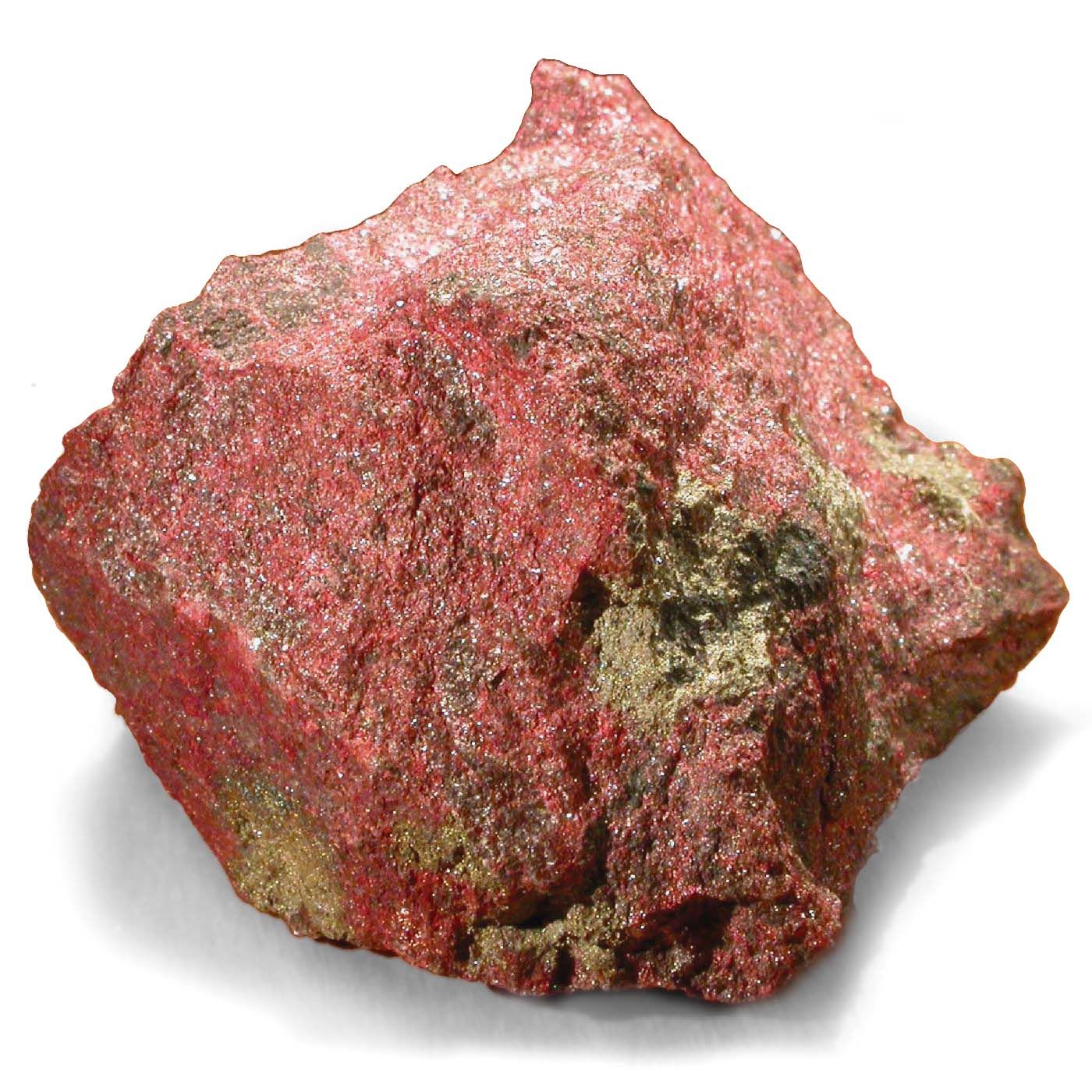
In ancient China 🏯, there was a fiery red color called ver-mil-ion (👏 ver – mil – ion 👏) that became famous for its intensity and beauty. The name “vermilion” comes from the Latin word meaning “little worm” 🪱. This unusual name was inspired by a red pigment made from tiny insects used in ancient dyeing processes. But this color didn’t come from a plant, flower or a worm! 🌸 It was made from a mineral called cin-na-bar (👏 cin – na – bar 👏) found in rocky caves ⛰️.
Ancient miners carefully collected chunks of cinnabar, which sparkled ✨ in shades of red and orange 🍊. They would grind the mineral into a fine powder and mix it with oil to create vermilion paint 🎨. This paint was treasured for its rich red hue, symbolizing power 💪, happiness 😊, and protection 🛡️.
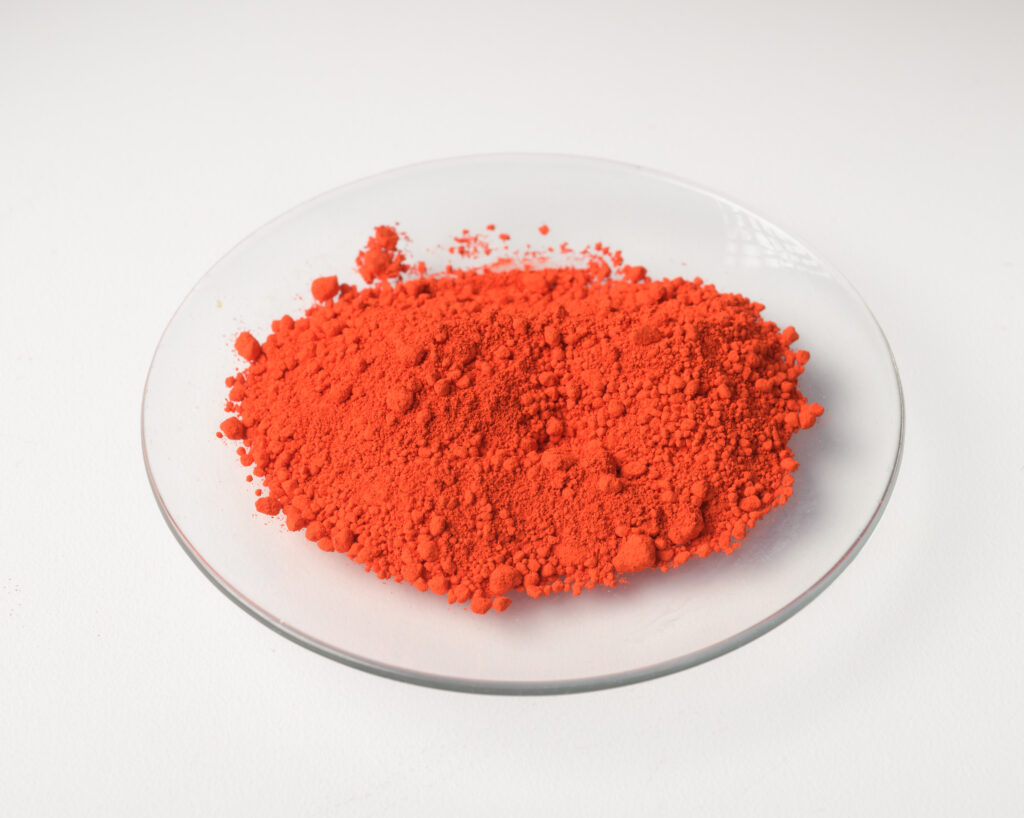
When vermilion made its way to Europe 🌍 through the Silk Road 🐫, people were amazed by its brightness. The ancient Romans were so fascinated that they used vermilion to paint everything from murals on walls 🖼️ to sculptures and even warriors’ shields 🛡️.
People loved vermilion so much that even today, artists 🎨 still use this color! But there’s something important to know: ancient vermilion was made from a mineral that contains mercury ☠️, which can be harmful. So, scientists created a safer, synthetic version of vermilion 🧪. Now, artists can paint with this vibrant red without worrying about mercury.
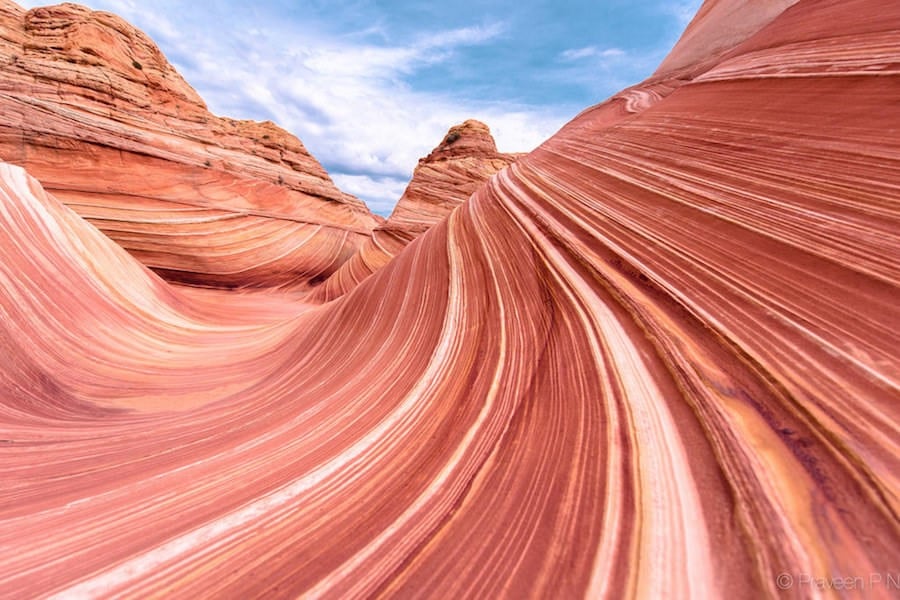
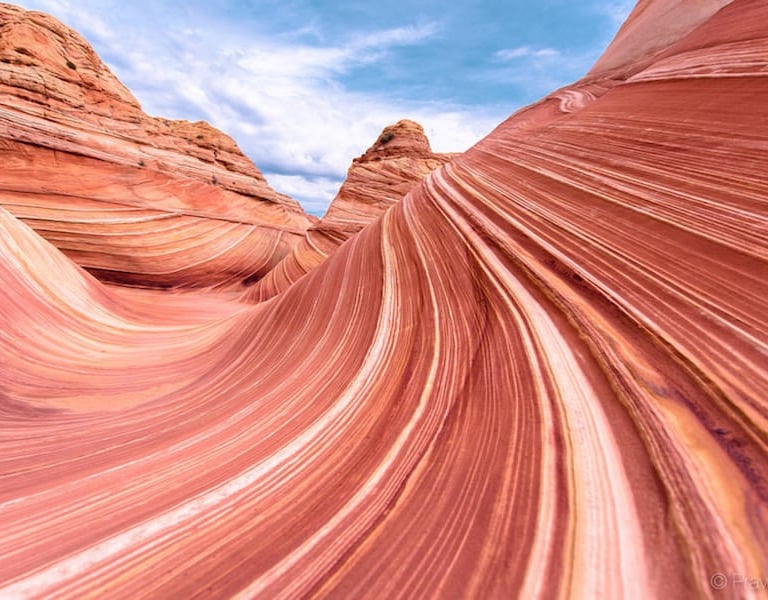
In places like China 🇨🇳 and India 🇮🇳, vermilion is still a favorite in art and celebrations 🎉. During festivals 🎊, people use vermilion to symbolize good fortune 🍀 and happiness. The color is so beloved that it even inspired names in nature! There are birds 🐦, fungi 🍄, fish 🐟, reptiles 🦎, and even a cliff in Arizona, USA 🏜️ that hold the name vermilion, all celebrating this powerful, fiery red 🔥. I wonder why they have Vermilion in their names?
You have discovered that there are 16 million colors 🌈 in the world. Imagine what stories they have! And when you think of early humans 🧑🌾, they didn’t have the palette of colors you now have on the art shelf 🎨, but they looked around and found that all colors were hidden in nature 🍃, waiting to be discovered—like vermilion from the mineral cinnabar mixed with a bit of oil, and ta-da! 🎉
With Montessori joy,
Vanina 😊